Fitness Tracker Calories Burned: How Accurate Are the Estimates?
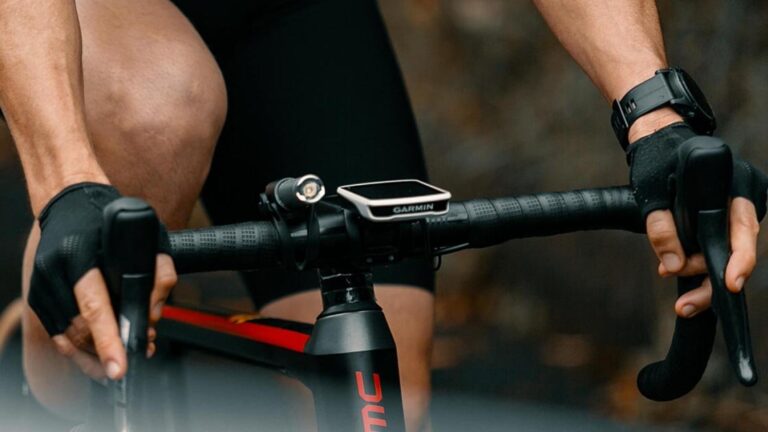
Fitness tracker calories burned estimates can be off by 20-30%. Learn why accuracy varies during rest and exercise to better interpret your data.

Fitness tracker calories burned estimates can be off by 20-30%. Learn why accuracy varies during rest and exercise to better interpret your data.
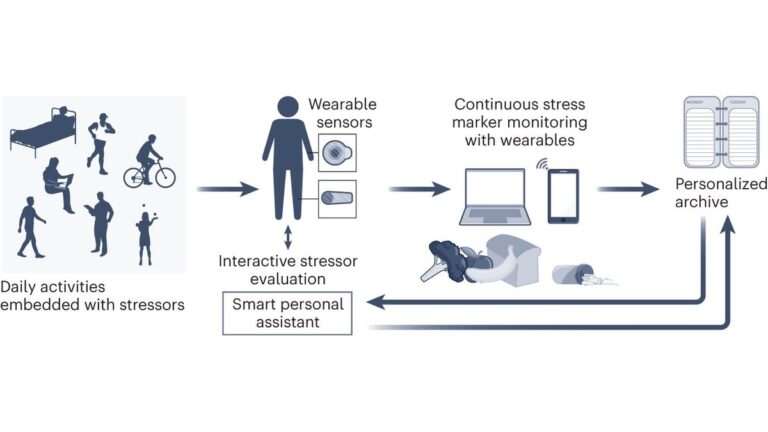
Wearable stress tracking monitors heart rate and skin sensors to provide actionable insights. Learn how these devices help you identify stress patterns.
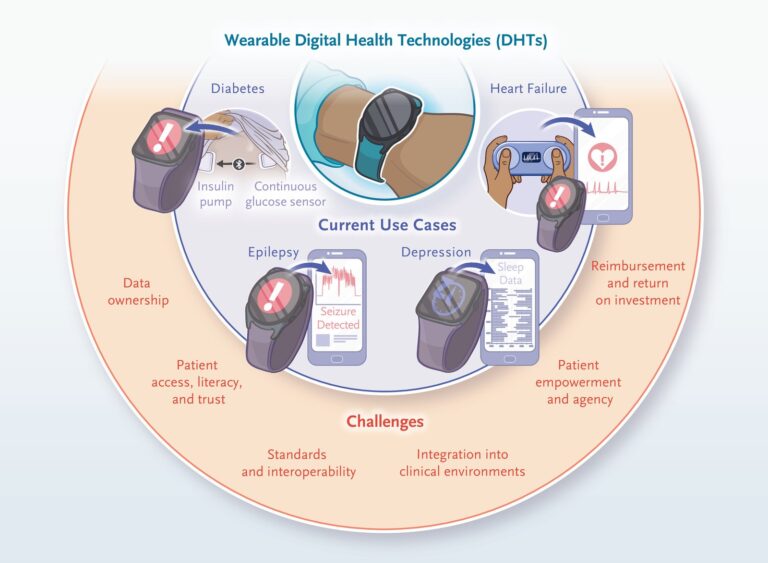
Wearable health technology tracks vital metrics to improve wellness. Learn the key benefits and limitations to use these devices safely and effectively.
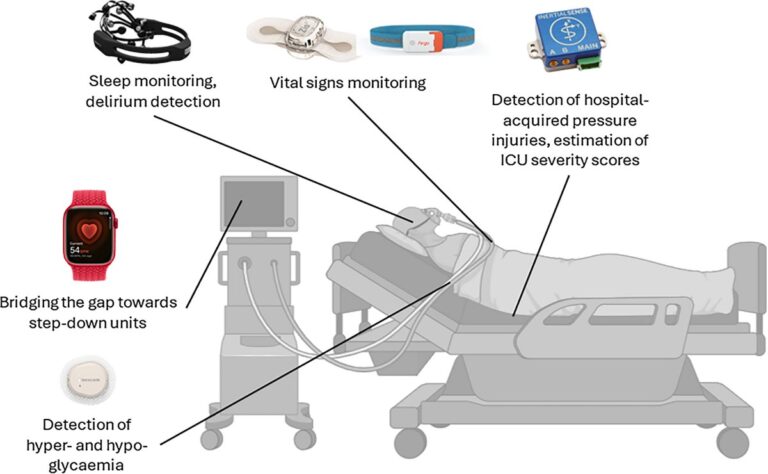
Blood oxygen monitoring on wearable devices tracks your SpO2 levels in real time. Learn what healthy readings mean and how to interpret your data.
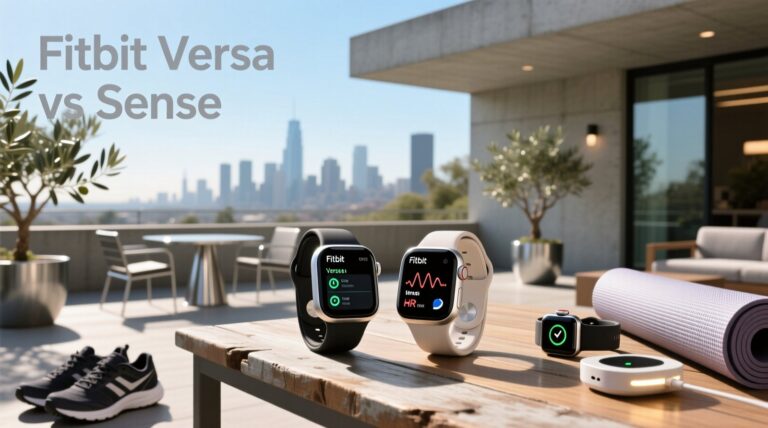
Choosing the right Fitbit device depends on your goals. Compare features like sensors and battery life to find the best tracker for your daily needs.
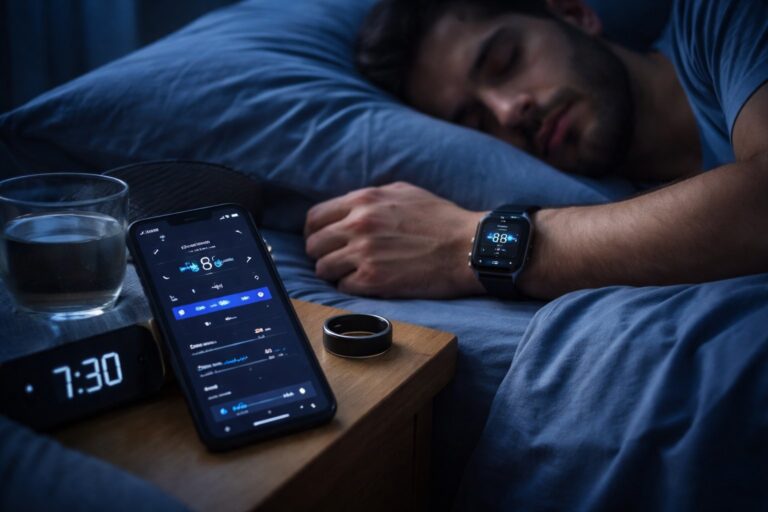
Wearable devices estimate sleep stages using heart rate and movement data. Learn how sensors track physical signals to map your nightly rest patterns.
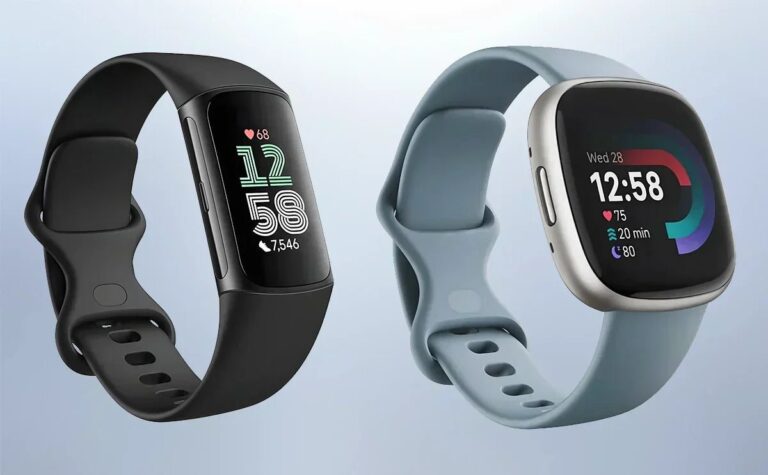
Explore our Fitbit Versa series buying guide to compare features, sensors, and fitness tracking capabilities to find the perfect model for your needs.
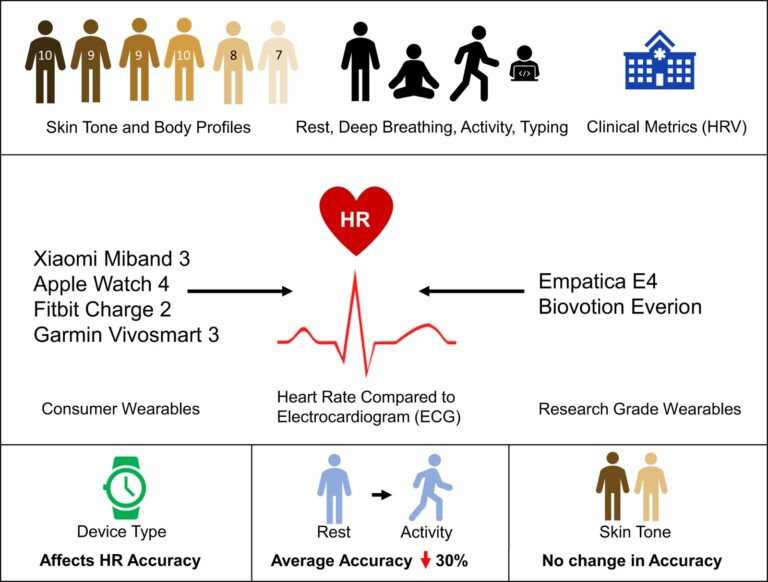
Discover how accurate wearable heart rate sensors are during exercise and learn how fit and activity intensity impact your device's tracking precision.
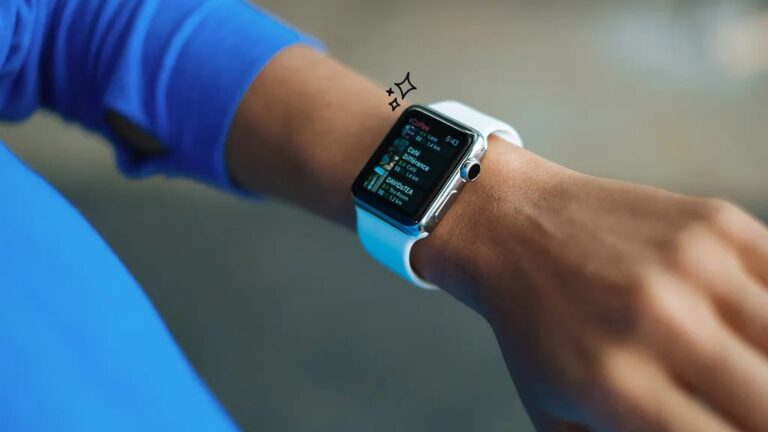
Fitbit battery life typically lasts 5 to 10 days depending on your model and active sensors. Learn how to avoid data loss from a full drain.
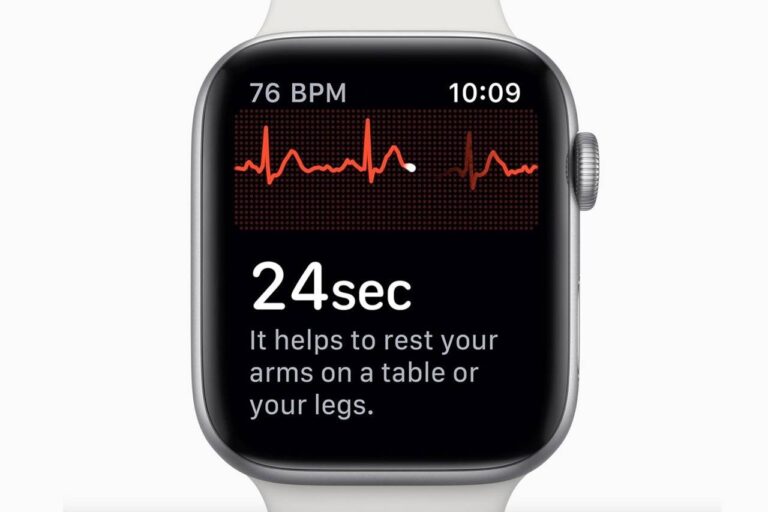
Wearable health monitors use advanced sensors to track heart rate and activity. Discover how these devices translate your physical data into insights.