

Wearable devices with emergency calling features include smartwatches, medical alert pendants, and specialized GPS trackers that connect users to help when they can’t use a phone. They all share one purpose: getting assistance fast during a fall, health crisis, or unsafe situation without needing to dial manually. The key difference between them is how they trigger the call, ranging from automatic fall detection sensors to manual buttons or voice commands. Choosing the right wearable devices with emergency calling features depends entirely on whether you need passive monitoring for safety or active communication for independence.
Emergency Wearables At A Glance
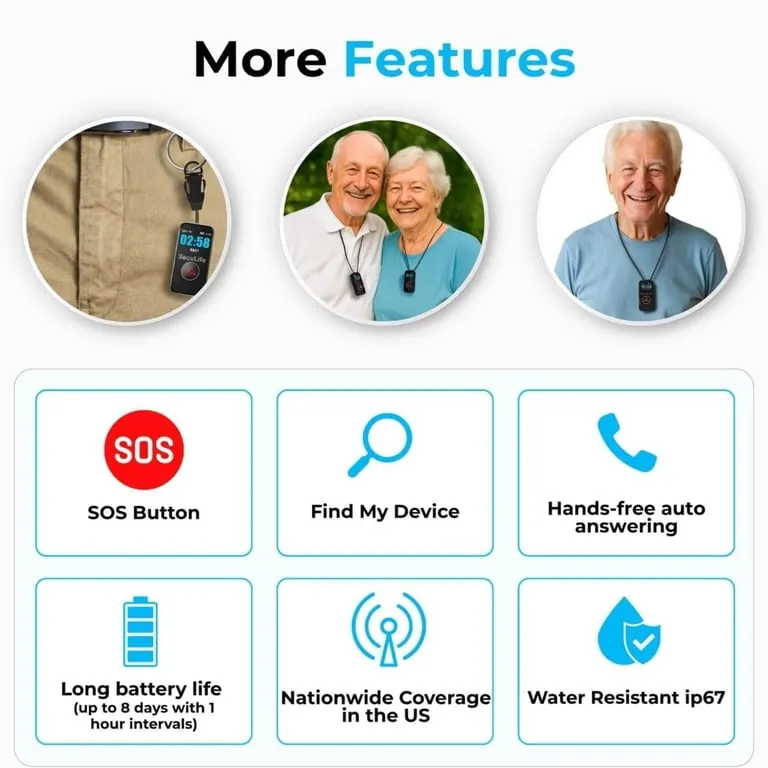
These five categories cover the main options available for personal safety and emergency communication today. Each serves a distinct user need, from automated medical response to simple check-in systems for family members.
Choosing correctly depends entirely on where an emergency is most likely to occur. A cellular smartwatch fails completely without tower signal, while satellite communicators require clear sky view and monthly subscriptions that often exceed cellular plans.
| Device Type | Best For | Concrete Example |
|---|---|---|
| Cellular Smartwatch | Active adults wanting independence | Apple Watch Ultra 2 SOS |
| Medical Alert Pendant | Seniors needing automatic fall detection | Philips Lifeline AutoAlert |
| Kids’ GPS Tracker | Parents monitoring children’s location | Garmin Bounce LTE |
| Satellite Communicator | Hikers beyond cellular coverage | Garmin inReach Mini 2 |
Automatic fall detection works reliably only when worn snugly against skin. Loose pendants frequently miss actual falls or trigger false alarms during normal movement, undermining confidence in the system when it matters most.
Cellular Smartwatch
A cellular smartwatch operates as a standalone phone on your wrist, allowing calls to emergency services without a paired smartphone nearby. It suits active adults who want safety netting while running, commuting, or traveling alone without carrying extra hardware. This device type integrates emergency functions into daily tech rather than signaling vulnerability through specialized medical equipment.
Triggers emergency SOS automatically after detecting hard falls or sudden immobility during solo activities. Connects directly to local emergency dispatchers using built-in LTE radios independent of Bluetooth tethering. Shares real-time GPS coordinates with responders and designated contacts simultaneously during an active alert. Monitors heart rate irregularities like atrial fibrillation to alert users to potential rhythm issues.
Verify your carrier supports standalone watch plans before purchasing, as some restrict emergency routing to paired phones only. Without this specific provisioning, the LTE radio may connect for data but fail to reach 911 during critical moments. Test the SOS function in a safe environment immediately after activation to confirm dispatch connectivity works independently.
Fall detection algorithms often misinterpret high-impact exercises like tennis or weightlifting as actual emergencies. Disable auto-detection temporarily during these activities to prevent false alarms that waste responder resources and erode trust. Re-enable the feature immediately afterward through the Health app safety menu.
If you prioritize discretion and multi-functionality over dedicated medical support, this is your primary option. If you require 24/7 professional monitoring staffed by humans, look at medical pendants instead. Smartwatches route alerts to contacts or 911 directly, leaving gaps when designated responders can’t answer or are unreachable during crises.
Battery life typically drops to 18-36 hours when cellular standby is enabled, so nightly charging becomes mandatory for reliable protection. Set a low-power alert threshold at 30% to ensure sufficient reserve capacity for emergency transmissions if needed unexpectedly.
Medical Alert Pendant
Medical alert pendants focus exclusively on connecting seniors to trained response teams through waterproof necklaces or wristbands designed for constant wear. Unlike smartwatches, these devices prioritize simplicity and reliability over apps, notifications, or fitness tracking features that might confuse non-technical users. They suit older adults living alone who need guaranteed human contact within seconds of pressing a button or experiencing a fall.
- Provides two-way voice communication through a base station or mobile unit without requiring screen navigation.
- Detects falls automatically using accelerometers and motion sensors designed to identify sudden impacts and immobility.
- Offers waterproof designs rated IP67 or higher for safe use in showers where most bathroom falls occur.
- Includes backup batteries lasting days during power outages to maintain continuous protection without recharging.
The trade-off here is functionality versus reliable fall detection; you sacrifice smart features to gain a device that works identically every single time without updates or pairing issues. According to the National Institute on Aging, falls are the leading cause of injury-related death among adults over 65, making dedicated detection calibration more valuable than general-purpose sensors. Expect monthly monitoring fees between $20-$50 depending on whether you choose home-only or mobile GPS coverage plans.
Kids’ GPS Tracker
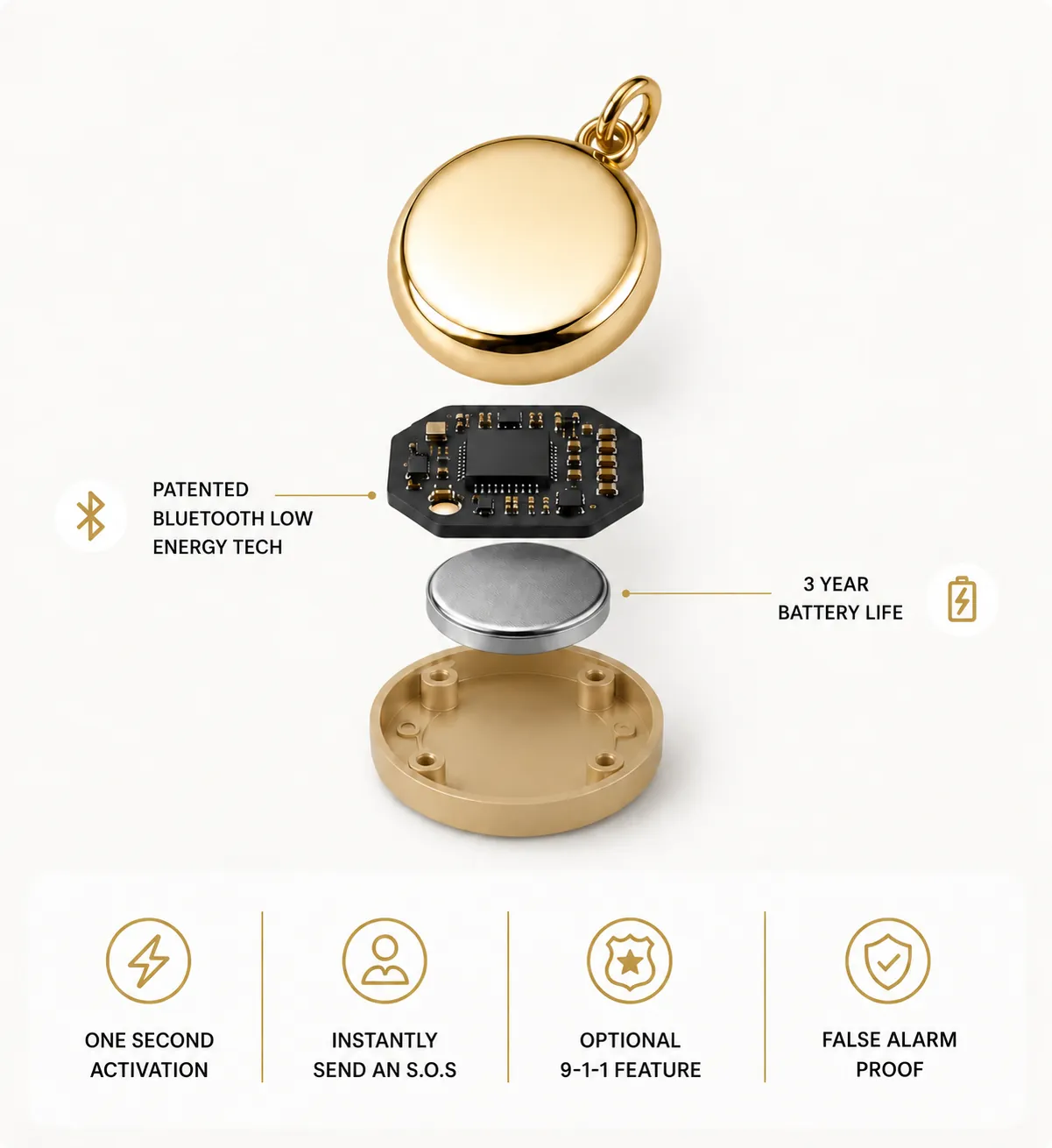
Kids’ GPS trackers provide parents with location visibility and two-way calling restricted to pre-approved contacts only. These devices differ from adult wearables by removing open internet access and social media while adding geofencing alerts for school or home boundaries. They suit families wanting to grant children independence while maintaining a digital safety tether during walks, bus rides, or after-school activities.
Allows children to call parents instantly via preset speed-dial buttons without accessing unknown numbers. Sends automatic arrival and departure notifications when entering or leaving designated safe zones. Features durable, tamper-resistant bands designed to survive playground roughhousing and accidental submersion. Limits screen time and distractions by excluding games, browsers, and app stores entirely from the interface.
This category targets ages 5-12 specifically, not teenagers needing full smartphone capabilities for social coordination or homework. Verify that the companion app supports your specific carrier before purchasing, as some trackers require proprietary SIM cards rather than standard plans. Models relying on 2G networks often fail in rural areas where carriers have already sunset legacy towers.
Battery life ranges from 2-4 days depending on ping frequency settings configured through the parent companion app. Setting update intervals below five minutes will drain most batteries before dinner, so reserve real-time tracking for active transit periods only. If your child frequently forgets to charge devices, choose models with magnetic charging docks that snap into place without fiddly ports.
Satellite Communicator
Satellite communicators send SOS signals and text messages via orbiting satellite networks where cellular towers don’t exist. They serve hikers, climbers, and remote workers who venture beyond grid coverage and can’t rely on terrestrial infrastructure for rescue coordination. This is specialized safety gear, not everyday wear, and requires understanding subscription plans tied to specific satellite constellations like Iridium or Globalstar.
- Transmits precise GPS coordinates to search and rescue teams globally regardless of terrain or weather conditions.
- Enables two-way texting with emergency coordinators to describe injuries or hazards when voice calls fail.
- Tracks routes and drops breadcrumb waypoints so rescuers can follow your path if you stop moving.
- Operates independently of cell towers using dedicated satellite frequencies reserved for emergency traffic.
You must carry this device externally with a clear view of the sky; stuffing it inside a backpack lining blocks signal acquisition during critical moments. Subscription costs vary significantly based on message volume and tracking intervals, so check the manufacturer’s current pricing page before purchasing since plans change seasonally. This tool demands practice beforehand because navigating menus with gloves or shaking hands during an actual emergency is vastly different from testing it in your backyard.
Other Safety Wearables
Modern hearing aids like Oticon Intent now include fall detection and tap-to-call features directly in the earpiece. This eliminates stigma for users who already wear assistive listening devices daily but refuse visible safety pendants. Verify Bluetooth connectivity with your specific phone model before relying on this feature alone.
Devices like Ultrahuman Ring AIR track biometrics continuously but lack active SOS buttons. They suit health data collection rather than immediate emergency response during acute crises. Don’t assume passive tracking equals rescue capability when a user can’t press a button or speak.
Specialized dementia GPS anklets prevent removal by confused patients who take off wristbands. These offer caregivers location tracking for wandering incidents where upper-body wearables consistently fail due to sensory aversion. Check battery life against typical elopement duration, as charging gaps create dangerous blind spots.
Smart helmets and vests used in construction detect environmental hazards like gas leaks or heat stress. They trigger site-wide alarms rather than individual SOS calls for workplace-specific emergencies unrelated to personal health. Confirm whether these industrial systems integrate with residential monitoring if workers transition between job sites and home care environments.
Choosing Wearables With Emergency Calling Features
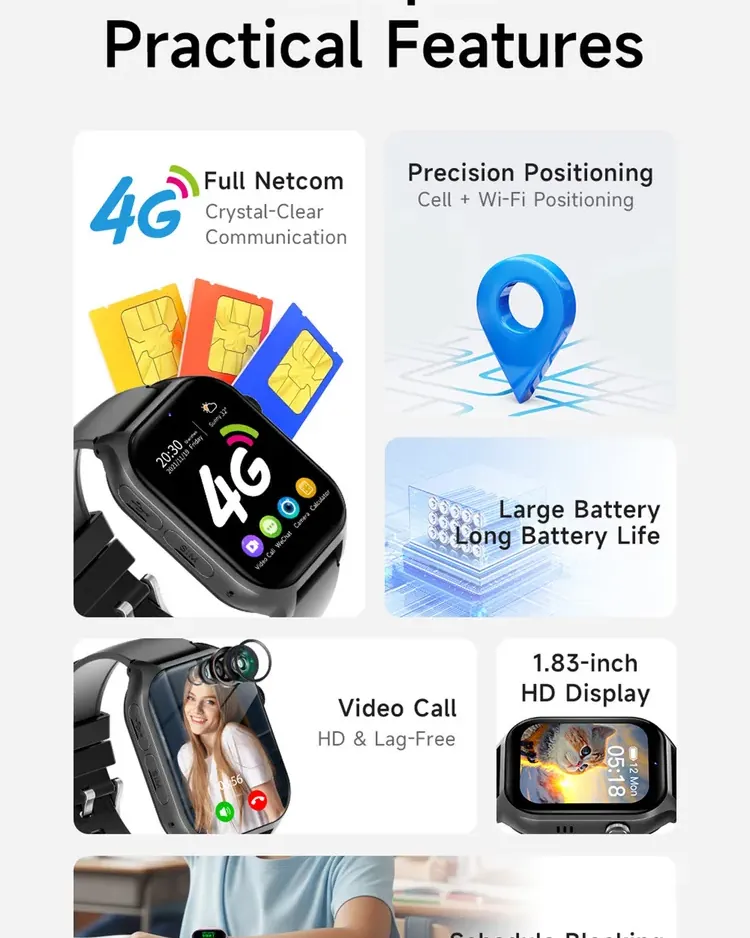
Your decision starts with identifying who needs protection and what environment they occupy most frequently. If the user is cognitively impaired or physically frail, prioritize automatic detection and professional monitoring over self-service options that require conscious activation during distress. Active adults managing chronic conditions or solo travel should lean toward cellular smartwatches that blend safety into existing routines without advertising medical status publicly.
Budget determines sustainability more than upfront cost because monthly subscriptions often exceed device prices within eighteen months of ownership. Medical alert services typically charge monthly fees for professional dispatch that are inexpensive relative to satellite communicators, which vary in cost depending on tracking frequency and message allowances. Cellular smartwatches avoid recurring fees beyond your existing carrier plan but shift responsibility entirely onto you or bystanders to interpret alerts correctly during high-stress moments.
Consider technical comfort honestly before committing to any platform requiring app configuration or firmware updates. If the user struggles with smartphones today, adding another connected device creates friction that defeats the safety purpose during actual emergencies.
Pendants and dumb watches eliminate this failure mode by working identically forever once activated, whereas smart devices demand ongoing engagement to remain functional. You can combine a pendant for home safety with a satellite communicator for wilderness trips, but wearing two cellular devices simultaneously drains batteries faster and confuses responders receiving duplicate signals from the same person.
Taking Action Safely
Start by testing your chosen device’s emergency function in a controlled setting before relying on it during actual solitude or remote travel. Confirm that contacts receive notifications within sixty seconds and that GPS accuracy matches your expected environment, whether urban canyons or forested trails.
Test with wet hands and gloves to simulate real stress conditions where fine motor skills degrade rapidly. Many devices pass dry bench tests but fail when users are cold, injured, or panicking in bad weather.
Stop and seek professional guidance if test alerts fail repeatedly, battery depletes unexpectedly during standby, or the user can’t operate controls confidently without looking at instructions each time. Muscle memory must replace cognitive processing during crises. If you need to read the manual to trigger help, the device isn’t yet safe for solo use.
[…] connectivity enables emergency calls and music streaming without a phone nearby. This is a safety necessity for solo trail runners. You […]