

Dedicated medical monitors are the most accurate tools, but for daily tracking, the best wearable devices for health monitoring are smartwatches like the Apple Watch Series 9 or Garmin Venu 3 because they offer a balance of heart rate precision and ease of use. If you have a specific heart condition, you should use a device that’s cleared by a national regulator for medical use.
Comparison of popular health trackers
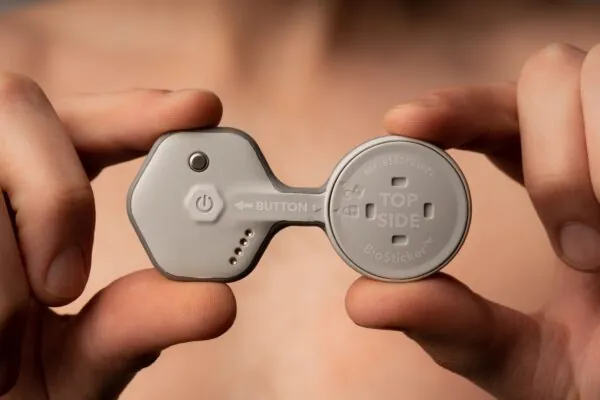
Choosing the right device depends on what you want to track and how much effort you’re willing to put into managing the data. While some devices focus on fitness, others provide clinical-grade data for heart rhythms. The following table compares three common types of health-tracking technology.
| Method | How long | Effort | Cost | Best for |
|---|---|---|---|---|
| Smartwatch | Daily | Low | High | Activity and alerts |
| Fitness Band | Weekly | Low | Low | Basic step counting |
| Medical ECG | On demand | High | Medium | Heart rhythm detection |
Smartwatches are ideal if you want constant data without manual input. Fitness bands are better for people who only want to track steps and sleep. If you need to monitor a specific heart condition, a dedicated medical device is necessary.
Using a high-end smartwatch for tracking
A smartwatch uses optical sensors to track your pulse throughout the day. To get the best data, the watch must fit snugly against your skin. Light leakage between the sensor and your wrist causes the most common tracking errors during exercise.
Fasten the strap so it sits firmly above your wrist bone. The band should be tight enough that the device doesn’t slide when you shake your arm vigorously. Repositioning the watch one finger width higher often solves intermittent signal drops during high-intensity intervals.
Open the health app on your phone to calibrate your resting heart rate. Perform this calibration first thing in the morning before consuming caffeine or checking emails. Your baseline measurement drifts if taken after physical activity or mental stress has already elevated your pulse.
Sync the device at least once every 24 hours to prevent data loss. Most watches buffer only seven days of granular health metrics locally before overwriting older records. Set a recurring calendar reminder to sync each evening rather than relying on automatic background transfers.
Check the battery level daily to ensure it doesn’t die during sleep tracking. Charging for forty-five minutes while showering typically provides enough power for overnight monitoring without interrupting daytime use. Avoid letting the battery drop below twenty percent if you plan to record sleep stages.
This method is excellent for tracking active calories and general heart rate trends. Accuracy degrades significantly during activities involving repetitive wrist flexion like weightlifting or rowing. Use a chest strap for strength training sessions where grip tension interferes with optical blood flow readings.
If your skin is very dry or you have tattoos near the sensor, the reading may be less accurate. Dark ink directly over the photodiode blocks light absorption and creates permanent blind spots. Moving the watch to the opposite wrist or rotating it slightly can bypass pigmented areas.
Winter air and frequent hand washing strip natural oils that help maintain consistent sensor contact. Reapply lotion midday if you notice your heart rate graph showing unexplained gaps or spikes.
You should consult your doctor if you see consistent, unexplained changes in your heart rate. Smartwatches detect irregularities but can’t diagnose medical conditions or replace clinical electrocardiograms. Bring exported data logs to appointments so physicians can distinguish true arrhythmias from motion artifacts or sensor malfunctions.
Relying on a dedicated fitness band
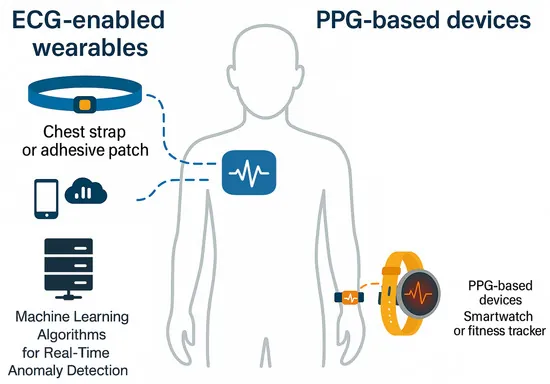
Fitness bands are lightweight and often have a battery life that lasts for a week or more. They’re perfect for tracking daily movement without the distraction of a full screen.
Download the manufacturer’s mobile application to set your daily movement goals. Use the app to toggle off unnecessary notifications, which can extend your battery life by up to 20% per charge cycle.
Wear the band on your non-dominant hand to reduce false step counts. Your dominant hand performs hundreds of micro-movements daily, such as brushing teeth or typing, which sensors often misinterpret as walking.
Clean the sensor area with a soft cloth after every workout to remove sweat. Dried salt buildup creates a film that blocks the optical heart rate sensor, leading to erratic readings or total data gaps.
These devices are great for encouraging daily activity and basic sleep monitoring. If you need high-precision GPS or advanced cardiac alerts, these bands often lack the necessary sensors. They aren’t intended for diagnosing medical issues.
If you’re training for a specific event like a marathon, the lack of onboard GPS means you must carry your phone to map your route. Without the phone, the band will rely on an accelerometer to estimate distance, which is often inaccurate by 10% or more.
If you notice your heart rate data looks jagged or flat, tighten the strap by one notch. Always prioritize a snug fit over comfort during high-intensity sessions to ensure the data remains actionable.
Utilizing medical-grade ECG monitors
When you need to capture a specific heart rhythm, a device with a built-in electrocardiogram (ECG) is the standard. These devices are designed to detect irregularities like atrial fibrillation. The U.S. Food and Drug Administration provides guidance on how these regulated devices differ from general consumer electronics.
Sit in a quiet, stable position for five minutes before starting the test. If you have just finished walking or climbing stairs, your elevated heart rate may trigger a false positive for tachycardia. Wait until your breathing returns to a natural, resting pace.
Place your finger on the sensor or electrode as instructed by the screen. Ensure your skin is clean and dry. A thin layer of sweat or lotion creates electrical noise that mimics an erratic heartbeat. If the device fails to record, wipe the sensor with a dry cloth and moisten your fingertip with a tiny drop of water.
Hold your arm perfectly still until the 30-second reading is complete. Even minor muscle tremors in your hand can create artifacts that obscure the P-wave, making it impossible for a doctor to confirm a diagnosis. Support your elbow on a table to prevent involuntary shaking.
Save the PDF report generated by the app to share with your physician. Digital screenshots are often cropped or low-resolution, which hides the critical grid lines doctors use to measure intervals.
This is the most reliable way to monitor for heart rhythm issues at home. However, it requires you to be awake and conscious of your symptoms to use it. It isn’t for continuous, passive monitoring while you’re doing other tasks.
If you experience sudden chest pain, shortness of breath, or fainting, don’t waste time attempting an ECG recording. These devices are diagnostic tools for rhythm analysis, not emergency monitors for acute cardiac events. Call emergency services immediately if your symptoms are severe.
Choosing the best wearable devices for health monitoring
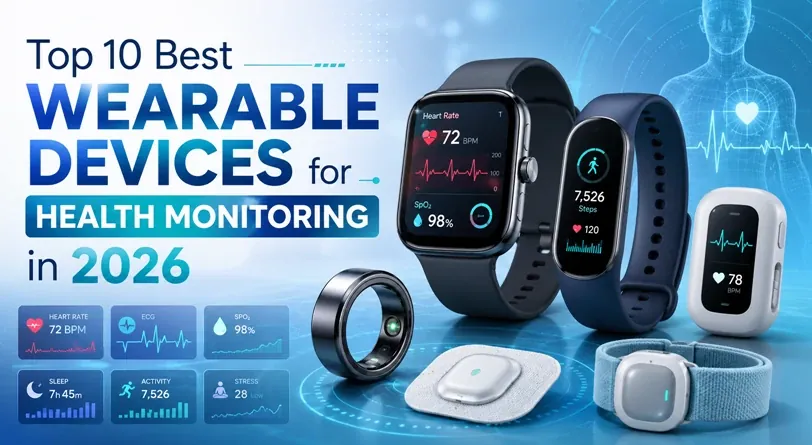
When you’re in a hurry, a standard smartwatch is the best choice because it tracks data automatically without any manual steps. These devices excel at capturing baseline trends like resting heart rate and daily activity volume. They’re ideal for users who want a “set it and forget it” experience while maintaining a general pulse on their wellness.
If you’re doing this for the first time, a simple fitness band is better because the app interfaces are usually less complex. These trackers strip away the overwhelming notification ecosystem of a full smartwatch, allowing you to focus solely on step counts and sleep duration. If you find yourself ignoring your device after a week, it’s likely because the setup was too involved; start with a band to build the habit before upgrading.
When you want the best possible result regardless of the effort, a clinical-grade ECG monitor is the only option that provides data doctors can actually use. These devices require you to sit still and hold sensors for thirty seconds or more. If you’re monitoring for specific arrhythmias or heart palpitations, a smartwatch’s general sensor won’t suffice. You need the raw waveform data that only a medical-grade device captures.
The trade-off is always between convenience and clinical precision. Devices that are easier to wear provide less specific medical data, while devices that provide medical data require more active participation from the user. If your goal is general fitness, prioritize the device you’ll actually wear for twenty-two hours a day. If your goal is diagnostic accuracy, prioritize the device that meets the specific technical standards requested by your cardiologist.
Rules for consistent health monitoring
Regardless of the device you choose, accuracy depends on how you wear and maintain your technology. You should always ensure the sensor is clean and free of debris, as sweat or lotions can block the light used to measure your pulse. Wipe the sensor lens with a soft, lint-free cloth after every workout to prevent buildup. Check your device’s support pages to see how often it needs a firmware update to stay accurate.
Placement matters as much as cleanliness. Wear the band one finger-width above your wrist bone to ensure the sensor maintains consistent contact with your skin. If the device slides during movement, tighten the strap by one notch. A loose fit allows ambient light to leak into the sensor, which often causes heart rate spikes that don’t reflect your actual exertion.
If you have a heart condition, never rely on a consumer device to make medical decisions. Always consult a healthcare professional to interpret your data. If you need a device that’s safe for medical diagnosis, look for one that has been cleared by a national health authority. If the packaging doesn’t explicitly state it’s FDA-cleared or equivalent, treat the data as a general guide only.
Checking stats mid-activity often breaks your form and skews results. If training for a specific heart rate zone, wait until your cool-down to review data. If your resting heart rate exceeds your three-month average by ten beats, prioritize rest. Monitor these trends daily to optimize your recovery and long-term performance.
[…] precise heart rate zones for recovery or endurance pacing. If you rely on wrist tracking for medical monitoring, cross-reference your results with a manual pulse count during a period of rest to verify your […]
[…] this is a sign that the material isn’t letting your skin breathe. If the device doesn’t fit your wrist shape, the data will always be less […]