

Medical alert watches, fitness trackers, and GPS devices are the best wearables for older adults, balancing safety monitoring with daily usability. Choosing the right one depends on whether the primary need is automatic emergency response, long-term health tracking, or staying connected with family through simplified interfaces.
Top Wearable Devices for Seniors

These five categories cover the specific needs most older adults face when selecting a wearable device today. Each option serves a distinct purpose ranging from critical emergency response to general wellness tracking and simplified communication.
| Device Type | Best For | Concrete Example |
|---|---|---|
| Medical Alert Watch | Automatic fall detection | Apple Watch SE with Fall Detection |
| Fitness Tracker | Daily activity monitoring | Fitbit Charge 6 with heart rate |
| Smartwatch | Communication and apps | Samsung Galaxy Watch6 Classic |
| GPS Tracker | Wandering prevention | Jiobit Smart Tag for dementia |
| Blood Pressure Monitor | Hypertension management | Omron HeartGuide wrist monitor |
Choose based on the primary risk, not feature count. A fitness tracker can’t summon help after a hard fall. Medical alert watches prioritize safety sensors over battery life or app ecosystems.
GPS tags like Jiobit lack screens entirely. They prevent wandering without requiring user interaction. Smartwatches demand daily charging and touch navigation that may frustrate those with cognitive decline.
Blood pressure monitors require precise positioning for accuracy. Wrist cuffs must align exactly with heart level during measurement. Incorrect placement produces misleading readings that could alter medication decisions dangerously.
Medical Alert Watches
Medical alert watches combine traditional emergency buttons with modern sensors to detect falls and health emergencies automatically without user input. They suit older adults who live alone or have mobility issues that increase fall risk significantly. If the wearer has a history of sudden falls, choose a model with automatic detection; if they only need help during known medical episodes, a manual button device works fine and saves battery life.
- Detects hard falls using accelerometers and gyroscopes to trigger emergency calls automatically when the wearer can’t press a button themselves.
- Provides two-way voice communication directly through the watch speaker so responders can assess the situation before arriving at the scene.
- Monitors heart rate continuously to identify irregular rhythms that might indicate atrial fibrillation or other cardiac events requiring urgent attention.
- Sends location data to emergency contacts or monitoring centers to reduce response times during critical incidents outside the home.
A person recovering from hip surgery wears an Apple Watch SE with Fall Detection enabled, which automatically alerts their daughter after detecting a hard impact in the bathroom at 2 AM. The trade-off is that these devices require daily charging, unlike pendant-style alerts that last months on a single battery. This limitation matters most for users who forget to charge electronics regularly or lack consistent access to power outlets near their bed.
Fitness Trackers
Fitness trackers focus on continuous health metrics rather than emergency response, making them ideal for active seniors managing chronic conditions like diabetes or hypertension. Unlike medical alert watches, they prioritize battery life and comfort over instant SOS features, often lasting seven days between charges instead of one. This category suits those who want health insights without the anxiety or stigma associated with wearing obvious emergency equipment.
- Tracks sleep stages and duration to identify patterns that affect daytime energy levels and cognitive function in aging populations.
- Measures resting heart rate trends over weeks to show whether medications or lifestyle changes are improving cardiovascular health effectively.
- Counts daily steps and active minutes to encourage movement goals set by physical therapists or doctors during rehabilitation programs.
- Syncs data to smartphone apps that generate reports doctors can review during appointments to adjust treatment plans based on real-world activity.
An active 70-year-old uses a Fitbit Charge 6 to track how morning walks lower their resting heart rate from 78 to 72 beats per minute over three months. The catch here is accuracy: wrist-based optical sensors vary in precision depending on skin tone, tattoos, and fit tightness. Users should check their device’s specifications page for validated accuracy ranges rather than assuming all readings meet clinical standards for medical diagnosis or medication adjustment decisions.
Smartwatches for Communication
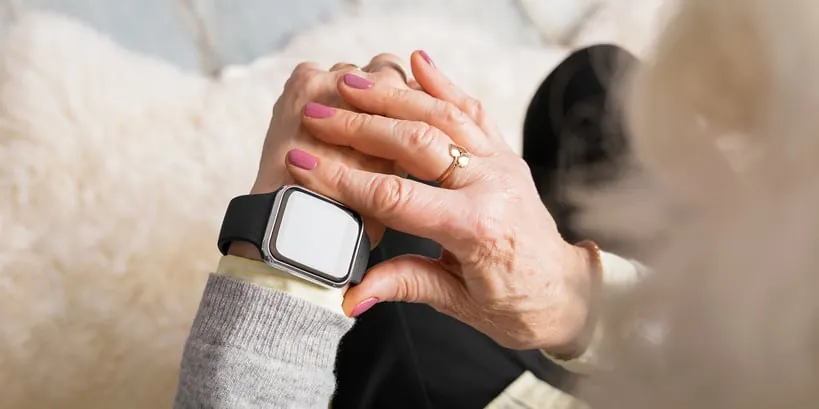
Smartwatches extend smartphone functionality to the wrist, serving older adults who want to stay connected without carrying a phone everywhere. They differ from fitness trackers by offering full app ecosystems, cellular connectivity, and advanced notification management for family coordination. This option works best for tech-comfortable users who value convenience over specialized safety features or extended battery life.
- Displays large text notifications from family group chats so wearers never miss important updates about grandchildren or family gatherings.
- Supports voice assistants for hands-free calling and texting when arthritis makes typing on small screens painful or impossible.
- Offers cellular models that work independently from phones, allowing safe outdoor exercise without carrying heavy devices in pockets.
- Integrates with smart home systems to control lights, locks, and thermostats through simple voice commands or wrist taps.
A grandmother uses a Samsung Galaxy Watch6 Classic to answer video calls from her grandchildren while gardening, keeping her hands free for planting. The mistake people make is buying the latest model when older versions offer identical core features at lower prices with better battery optimization. Check the manufacturer’s comparison chart to confirm which generation supports the specific health sensors you actually need before paying premium prices for unused capabilities.
Specialized GPS Trackers
Specialized GPS trackers address wandering risks for seniors with dementia or Alzheimer’s disease who may not remember to wear standard watches. These devices prioritize geofencing and long battery life over displays or interactive features, often hiding inside shoe insoles or belt clips to prevent removal. If cognitive decline is moderate to severe, this passive tracking approach is safer than relying on the wearer to operate a smartwatch correctly during confusion episodes.
- Creates virtual boundaries around homes or neighborhoods that trigger instant alerts when crossed unexpectedly by the wearer.
- Lasts weeks on a single charge because it lacks screens and processors that drain batteries in consumer smartwatches quickly.
- Uses multiple positioning systems including GPS, Wi-Fi, and cellular triangulation to maintain accuracy indoors where satellites fail.
- Operates silently without lights or sounds that might confuse or distress wearers experiencing cognitive impairment or sensory sensitivity.
A caregiver places a Jiobit Smart Tag inside their father’s shoe sole after he wandered from a park twice in one month despite wearing a regular watch. According to the Alzheimer’s Association safety guidelines, six out of ten people with dementia will wander at least once, making proactive tracking essential rather than reactive. The limitation is that these devices provide no health monitoring or two-way communication, serving only as location tools for search and rescue situations.
Other Senior Wearables
Blood pressure monitors like the Omron HeartGuide offer FDA-cleared tracking for seniors whose arm cuffs cause pain or fit poorly. Wrist positioning errors produce false readings far more often than upper-arm alternatives. Use this form factor only if your doctor explicitly approves wrist measurements for your specific condition. Keep the device at exact heart level during every reading to minimize hydrostatic pressure artifacts that mimic hypertension spikes.
Hearing aid streamers connect devices directly to phones and TVs, eliminating background noise interference for seniors with dual sensory loss. Proprietary protocols prevent cross-brand pairing even within the same manufacturer’s product lines. Verify compatibility using the exact model number on your hearing aid battery door before purchasing any accessory. Generic Bluetooth transmitters rarely work because manufacturers lock audio streaming to their own proprietary wireless standards.
Medication reminder bands use simple vibration prompts without screens or apps that overwhelm users experiencing cognitive fatigue. Set alarms during pharmacy setup rather than self-programming to avoid missed doses from incorrect timezone settings. Ask the pharmacist to sync vibration patterns with your actual dosing schedule while you wait. Relying on memory to configure these devices later frequently leads to silent failures when routines change unexpectedly.
Posture correctors vibrate when slouching exceeds safe thresholds after spinal compression fractures or prolonged sitting periods. Limit initial use to thirty-minute sessions because constant correction causes muscle fatigue that worsens posture over time. Treat the sensor as temporary biofeedback training rather than a permanent brace. Muscles weaken when they rely entirely on external cues instead of rebuilding intrinsic strength through gradual, supervised exercise.
Choosing the Best Wearable Devices for Older Adults
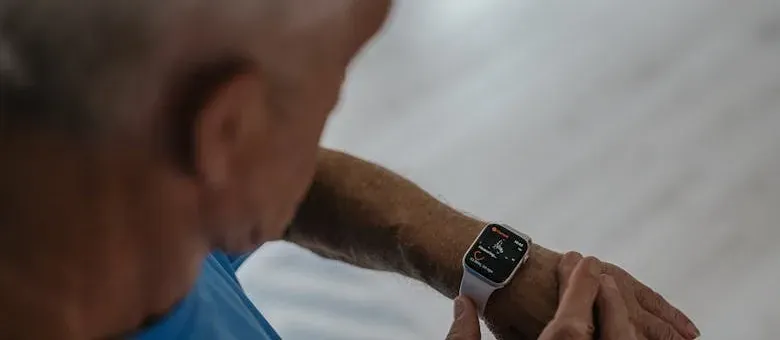
Your current health status determines which device category deserves priority over others when budget limits you to one purchase. If fall risk or cardiac instability exists now, start with a medical alert watch regardless of fitness goals or communication preferences. Those managing stable chronic conditions without acute safety concerns benefit more from fitness trackers that reveal long-term trends without monthly monitoring fees or emergency service contracts.
Available support infrastructure shapes whether complex smartwatches or simple trackers serve you better in daily life. Family members willing to check apps and respond to alerts enable smarter devices; isolated seniors need standalone medical alert services with professional monitoring instead. Tech comfort level matters equally: forcing a smartwatch onto someone who struggles with smartphones creates abandoned devices and wasted money rather than improved safety or health outcomes.
Budget constraints require distinguishing between upfront costs and ongoing expenses that accumulate silently over years of use. Medical alert watches often cost less initially but require recurring monthly monitoring fees, while fitness trackers have zero recurring costs after purchase. Calculate total three-year ownership cost before deciding, as the cheaper upfront option frequently becomes the expensive choice when subscription fees compound over time.
These categories can sometimes combine through multi-function devices, but picking one primary purpose prevents feature overload that confuses users. A device trying to excel at everything typically fails at the critical function you actually need during emergencies or health crises. Choose based on your single biggest vulnerability today, then add secondary devices later as needs evolve or budgets allow expansion beyond the initial essential purchase.
Starting With Your First Wearable
Begin by identifying your single highest-priority need—fall detection, health tracking, or communication—and purchase only the device that addresses it directly. Avoid hybrid models promising multiple features until you master one function reliably.
Expect a two-week adjustment period where wearing feels unfamiliar and charging routines require conscious effort before becoming automatic habits. Set a daily alarm for charging during an existing routine like brushing teeth to prevent battery anxiety from derailing adoption.
Stop and consult your doctor if skin irritation develops, readings seem consistently inaccurate compared to office equipment, or the device increases anxiety rather than reducing it through reliable performance. Switch bands or wear schedules immediately at the first sign of redness instead of waiting for symptoms to resolve on their own.