

You should choose a fitness tracker if you want a lightweight, battery-efficient device focused on activity metrics, but pick a smartwatch if you need advanced features like offline music, map navigation, or third-party apps. A tracker costs less and lasts longer on a charge, while a smartwatch offers a more complete smartphone experience on your wrist.
Choosing Between a Fitness Tracker and Smartwatch
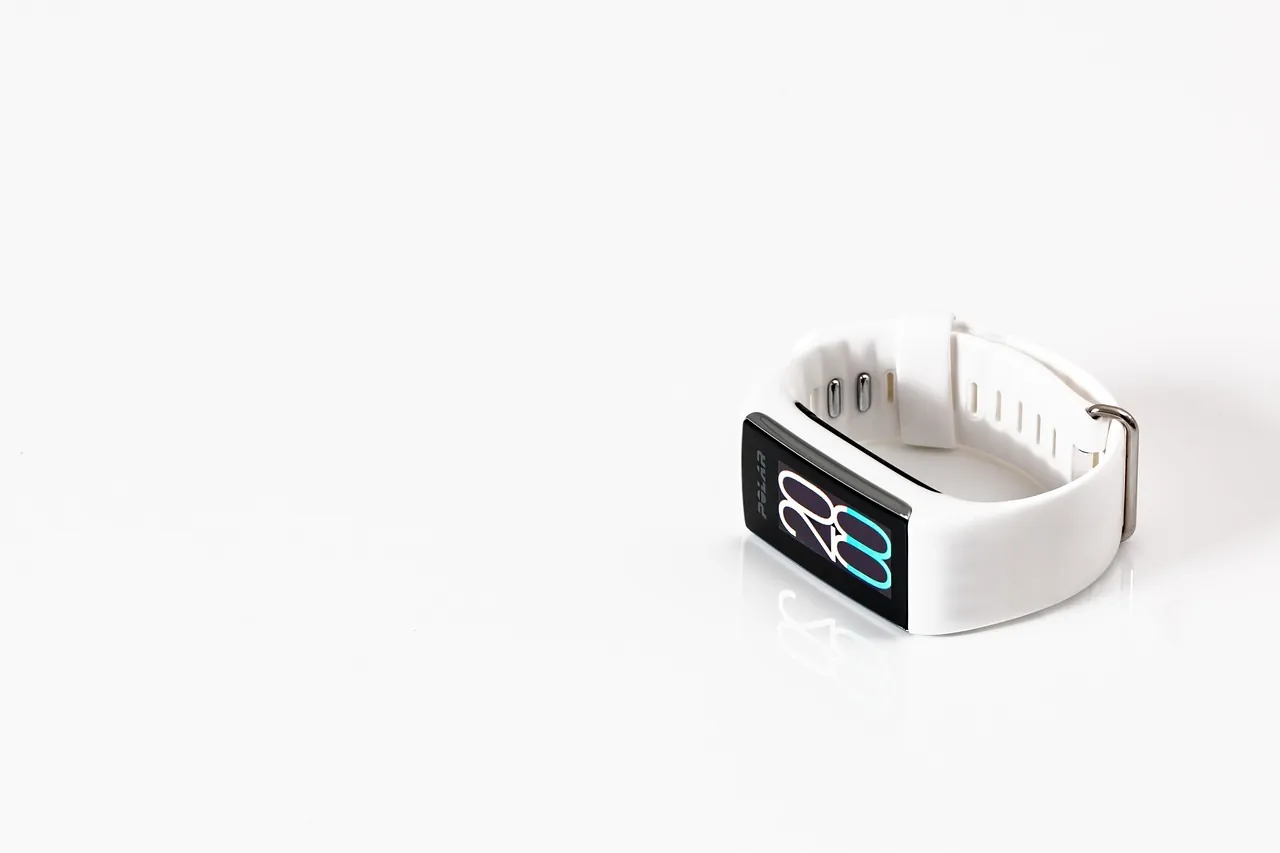
The right device depends entirely on your daily habits and what you want to achieve with the data. Most people find that the difference boils down to whether they want a simple health tool or a multifunctional wrist computer. Use the following criteria to match your needs to the correct hardware.
Check your primary goal. If you only care about step counts, sleep duration, and heart rate, a tracker is the better choice. A smartwatch adds GPS mapping and workout screens you’ll never open if your routine is just walking and sleeping.
Review your app requirements. If you need to reply to messages, use voice assistants, or download specific sports apps, you must get a smartwatch. Trackers display notifications but rarely let you type a response from your wrist.
Assess your battery patience. A tracker often lasts 7 to 14 days, while most smartwatches require a charge every 24 to 48 hours. Missing one night of charging on a smartwatch means losing your sleep data entirely. Trackers capture that stretch without intervention because their batteries outlast your longest trips.
Compare the physical size. If you prefer a device that stays out of your way during sleep or intense exercise, a slim tracker is usually more comfortable. Heavy smartwatches slide around during pull-ups or catch on long sleeves.
Set your budget. Trackers generally range from $50 to $150, whereas smartwatches often start at $200 and can exceed $500 depending on the model.
Tip: If you’re new to wearable technology, start with a basic tracker to see if you actually use the data provided before spending more on a premium smartwatch.
Key Differences at a Glance
The following table highlights the functional gaps between these two types of hardware. These figures represent typical performance across current market offerings.
| Feature | Fitness Tracker | Smartwatch |
|---|---|---|
| Battery Life | 7–14 Days | 1–3 Days |
| Display | Small / Basic | Large / Color / Touch |
| App Support | Limited / Fixed | Extensive / Downloadable |
| Notifications | Alerts Only | Full Interaction |
| GPS | Often Connected | Usually Built-in |
Choose a fitness tracker if your primary goal is passive health monitoring without the burden of daily charging. If you find yourself frequently plugging in devices, the tracker’s week-long lifespan will save you from the common mistake of missing sleep data due to a dead battery.
Conversely, opt for a smartwatch if you need to reply to messages or use standalone navigation. The rule is simple: if you require an extension of your smartphone on your wrist, the smartwatch is the necessary choice. If you only need a silent vibration for incoming calls and basic step counting, the tracker is superior. Using a smartwatch for simple tracking often leads to “feature fatigue,” where the complexity of the device outweighs the utility of the metrics provided.
Is It Safe to Wear These Devices 24/7?
It’s safe to wear these devices all day and night as long as you maintain proper hygiene. The National Health Service suggests that consistent tracking helps users stay mindful of their movement, but you should clean the strap regularly to prevent skin irritation. Sweat and bacteria can build up under the band during workouts.
If you notice redness or itching on your wrist, take the device off and let your skin breathe for a few hours. This is a common issue caused by moisture trapping rather than a fault in the device itself. Ensure the band is snug but not tight enough to restrict blood flow or cause pressure marks during your sleep.
Silicone bands trap more moisture than woven nylon ones. Switching materials often solves recurring rashes without giving up continuous tracking.
Leave room for one finger to slide under the strap. A tighter fit distorts optical heart rate readings and leaves deep indentations overnight.
Common Mistakes People Make

Many buyers assume that more expensive devices are always better, but this often leads to frustration. The most common mistake is buying a high-end smartwatch when you only need a simple tracker. You end up paying for features you never use. You’re also forced to charge the device far more often than necessary.
A basic fitness band lasts a week or more on a single charge. A full-featured smartwatch usually needs power every day or two. If your main goal is counting steps and monitoring sleep, pick the simpler option.
Another error is ignoring the ecosystem. If you use an iPhone, you’ll have a much smoother experience with an Apple Watch. Android users often find better integration with Google-based devices or dedicated tracker brands.
Always verify that the device is compatible with your current phone before you complete your purchase. Some watches pair only with specific operating systems. Others connect to both but disable key features like quick replies or music control on one platform.
Frequently Asked Questions
Do I need a subscription for these devices?
Some trackers and smartwatches require a monthly subscription to access advanced health insights, personalized reports, or historical data. You can usually access basic stats for free, but check the manufacturer’s product page for “premium” features before you buy.
Can I swim with my wearable?
Most modern trackers and smartwatches are water-resistant, but you must check the specific IP rating for your model. Don’t assume every device is safe for deep-water diving or high-speed water sports, as pressure limits vary significantly between brands.
Will these devices accurately track my heart rate?
They provide a reliable estimate for general fitness, but they aren’t medical devices. If you have a heart condition or need precise data for medical reasons, consult a doctor rather than relying on the sensor readings from a consumer wearable.
Conclusion
Identify whether your priority is long battery life or deep app integration. If you want a device that simply works in the background, choose a tracker. If you want your wrist to act as a secondary screen for your smartphone, upgrade to a smartwatch.
[…] Fitness Tracker vs Smartwatch: Which Should You Choose? […]