

A fitness tracker is a small wearable device that uses built-in sensors to record your daily movement, heart rate, and sleep patterns. It works by detecting motion with tiny accelerometers, converting those movements into steps and distance, and syncing the data to a phone app so you can review your activity.
What exactly does a fitness tracker do?
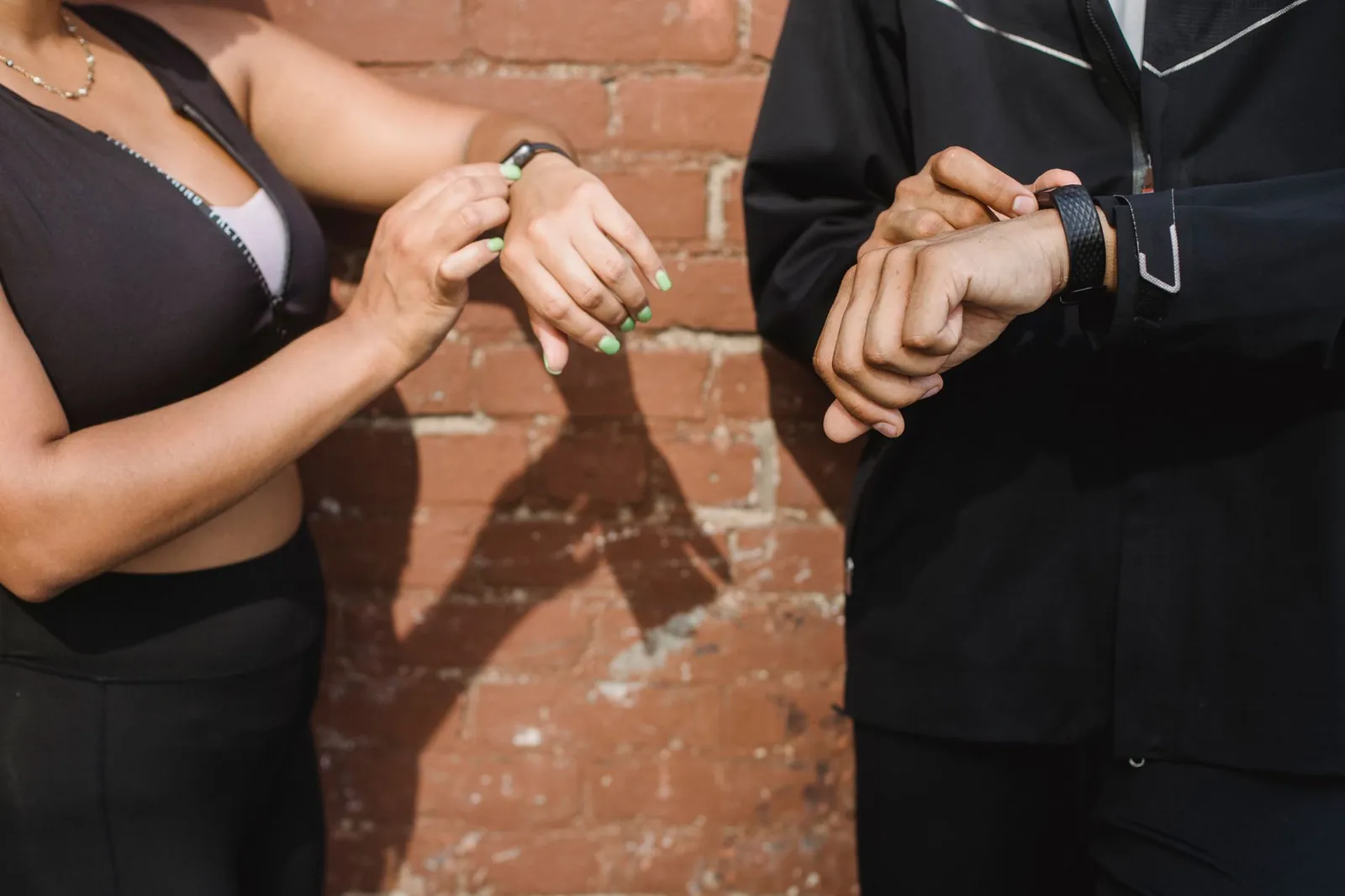
A fitness tracker records physical activity using sensors pressed against your skin or moving with your wrist. It counts your steps, estimates the distance you walk, tracks your heart rate, and monitors how long you sleep each night. The device takes raw signals from its sensors and turns them into numbers you can read on a small screen or a connected phone app.
You don’t need to press any buttons for it to work during the day. Once you wear it, the sensors collect data continuously in the background. If you want to track a specific workout like running or cycling, you usually tap the screen to start a timed session. When you finish, the device saves the details automatically.
The main job of the device is to give you a clear picture of how much you move. You can see if you walked more today than yesterday, or if your resting heart rate changed over the week. That feedback helps people notice their habits without needing a separate notebook or manual count.
How do the sensors actually measure your movement?
The core component inside every tracker is an accelerometer. This tiny chip senses when your arm speeds up, slows down, or changes direction. When you take a step, your wrist moves in a specific pattern. The software inside the device recognizes that pattern and adds one to your daily step count.
For heart rate, most devices use optical sensors on the back of the case. These shine green LED lights through your skin. Blood absorbs light differently when your heart pumps compared to when it rests between beats. A small light detector measures these rapid changes to calculate your pulse.
More advanced models add extra sensors for specific tasks. A gyroscope detects rotation, which helps the device tell the difference between swimming strokes and walking steps. An altimeter measures changes in air pressure to count how many flights of stairs you climb. GPS chips connect to satellites to map your exact route outdoors without needing your phone nearby.
All this raw data means nothing until the software processes it. The algorithms filter out random arm movements — like stirring coffee or typing — so they aren’t counted as steps. That’s why wearing the device correctly matters so much for accuracy.
Tip: Wear the band snugly about one finger’s width above your wrist bone so the green lights stay flush against your skin for reliable readings.
Can I trust the numbers my tracker shows?
Yes, a fitness tracker gives reliable numbers for counting steps and tracking trends over time, but it isn’t a medical instrument. Step counts are generally accurate for steady walking or running, though repetitive arm movements like folding laundry can add false steps. Heart rate readings are close enough for planning workouts, but they lag behind sudden sprints by several seconds.
Calorie burn is where trackers struggle the most. The device guesses your energy use based on your height, weight, age, and heart rate. It doesn’t know your exact muscle mass or metabolism. Because of this, calorie numbers should be treated as rough estimates rather than exact facts.
| Sensor Type | Most Accurate For | Least Accurate For |
|---|---|---|
| Accelerometer | Steady walking, running | Pushing a shopping cart, cycling |
| Optical heart rate | Resting pulse, steady jogging | Heavy weightlifting, cold weather |
| Built-in GPS | Outdoor running routes | Indoor treadmill sessions |
| Altimeter | Climbing real stairs | Riding elevators, weather shifts |
If you need precise measurements for a health condition, don’t rely solely on a consumer wearable. The FDA guidance on wearable devices explains the regulatory difference between general wellness products and approved medical equipment. Trackers fall under wellness tools, meaning they aren’t tested to diagnose or treat diseases.
Which features actually matter when picking one?

Choosing the right device depends entirely on what you plan to do with it. If you only want to see your daily step count and check the time, a basic band with a simple screen is all you need. These models cost less, have fewer distractions, and usually run for a week or more on a single charge.
If you run outside or cycle on trails, look for a model with built-in GPS. Without it, the tracker relies on your phone’s location signal, which means you must carry your phone on every run to map your route. Built-in GPS drains the battery faster, often limiting use to 10-20 hours before needing a recharge.
Water resistance is another practical dividing line. If you swim laps or shower with your device on, you need a rating that handles submersion. A splash-proof band will survive rain and sweat, but it won’t survive a pool. Always check the specific depth rating printed on the box before getting it wet.
Battery life forces a trade-off. A bright, always-on color screen looks great but needs charging every day or two. A simpler display might go a full week. If charging daily annoys you, prioritize battery life over screen quality.
Here is a quick way to decide:
- Basic step counting: Choose a slim band with no GPS and a simple screen.
- Outdoor running: Pick a watch with built-in GPS and a readable outdoor display.
- Swimming: Ensure the device has a water resistance rating meant for pools, not just splashes.
- Sleep focus: Select a lightweight, comfortable band that won’t bother you in bed.
Frequently Asked Questions
Is it safe to wear a fitness tracker all day and night?
Yes, wearing a tracker continuously is safe for almost everyone. The green lights used for heart rate monitoring are low-power LEDs, not lasers or radiation. They don’t penetrate deeply into tissue. Some people develop mild skin irritation from the band material or trapped sweat. Taking the device off for an hour while showering lets your skin dry out and prevents rashes.
Do I really need to carry my phone for it to work?
No, you don’t need your phone nearby for basic tracking. The device stores your steps, heart rate, and sleep data internally throughout the day. You only need your phone when you want to sync that saved information to an app, change settings, or view detailed charts. If your tracker has built-in GPS, it maps runs independently too.
Will a fitness tracker work if I push a stroller or wheelchair?
It will work, but the step count will be wrong. Wrist-based trackers rely on arm swing to register steps. When your hands grip stroller handles or wheelchair rims, your wrists stay relatively still. The device misses most of your movement. In these cases, clipping a tracker to your shoe or waist gives far better results.
Conclusion
Check the strap on your current device tonight and adjust it so the sensors sit flat against your skin. Compare your resting heart rate tomorrow morning to next week’s number to see if your baseline shifts after changing your daily routine.