

A complete buying guide for fitness trackers points most people to the Fitbit Charge 6 for daily step counting and sleep tracking, or the Garmin Vivosmart 5 if you want a simpler screen. If you run outdoors or swim often, a GPS watch like the Garmin Forerunner 165 tracks distance far better than a basic band. Your choice depends on whether you need built-in GPS or just simple daily movement stats.
What matters when buying a fitness tracker
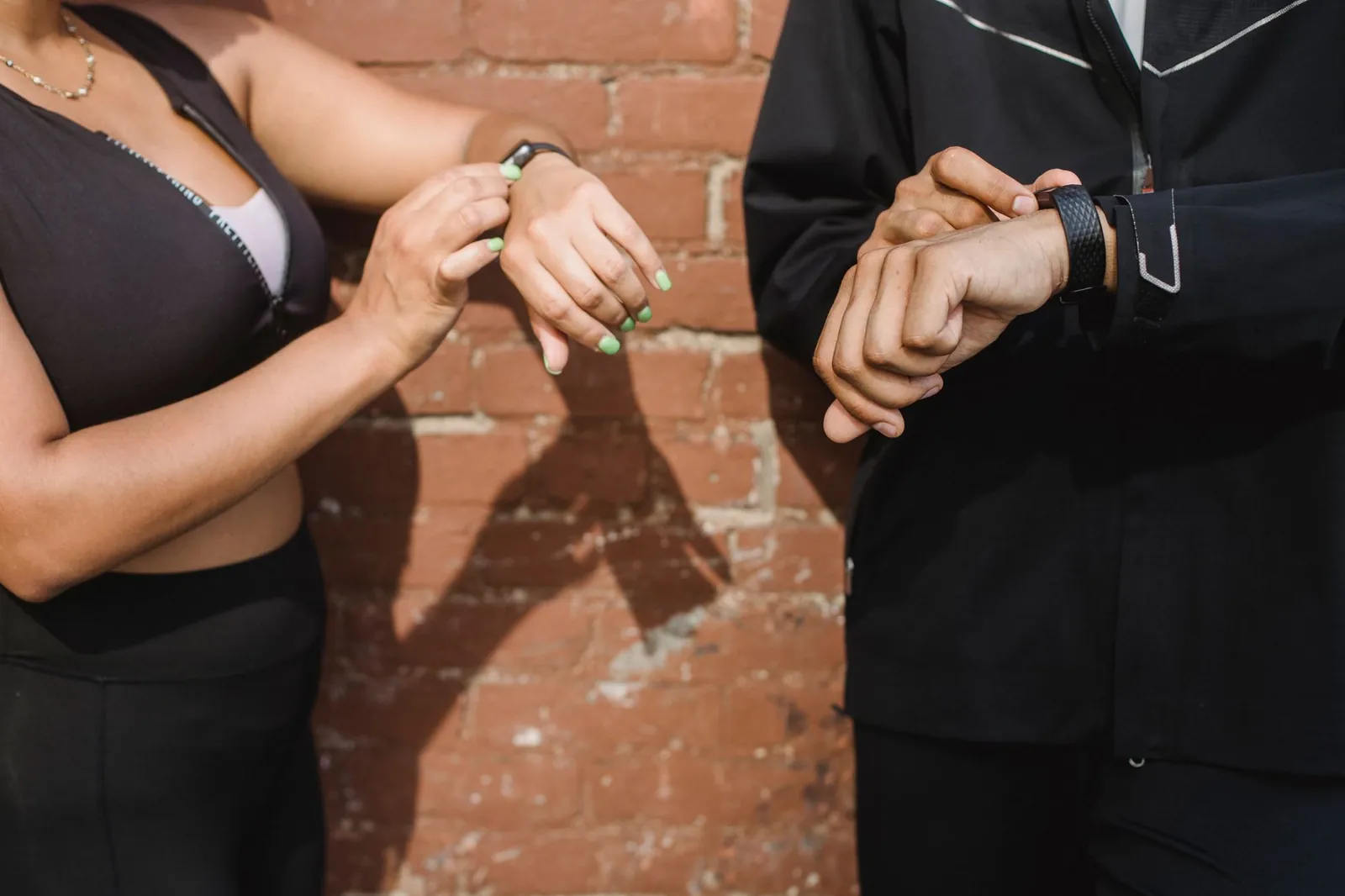
A fitness tracker is only useful if it records the specific activity you do every day without needing constant charging. You’ll wear it all day, so comfort and battery life matter more than having dozens of apps you won’t open. If your main goal is walking and sleeping, a slim band works fine. If you cycle or run outside, you need a device with its own GPS chip.
Built-in GPS means the watch finds satellites by itself, so you don’t have to carry your phone on a run to map your route. Connected GPS uses your phone’s location instead, which saves battery but forces you to bring your phone everywhere.
Water resistance ratings tell you if a device survives rain or if you can actually swim laps with it. A rating of 5 ATM means you can swim in a pool, while an IPX8 rating usually just handles splashes and sweat.
Heart rate sensors sit on the back of the band and shine light into your skin to measure blood flow. They work well during steady activities like walking or jogging. During heavy weightlifting or fast sprints, the readings can lag behind your actual pulse because your wrist flexes too much for the light to stay steady.
| Feature | Basic Band (e.g., Xiaomi Smart Band) | Advanced Tracker (e.g., Fitbit Charge 6) | GPS Watch (e.g., Garmin Forerunner) |
|---|---|---|---|
| Built-in GPS | No | Yes | Yes |
| Battery Life | Up to 14 days | 5 to 7 days | Up to 14 days |
| Best For | Steps, sleep, basic alerts | Heart rate, stress, connected GPS | Running, cycling, swimming routes |
| Screen Size | Small, narrow | Medium rectangle | Large round or square |
Is a fitness tracker accurate enough to trust?
Yes, modern fitness trackers count steps and track sleep accurately enough for general health goals, though they aren’t medical devices. Step counts are usually reliable within a small margin during normal walking, but wrist movements like washing dishes can add false steps. Sleep tracking correctly identifies when you’re lying still, but it struggles to perfectly separate light sleep from deep sleep compared to clinical equipment.
Calorie burn estimates are where these devices fall short. The American Council on Exercise notes that wearable calorie counts are rough estimates based on formulas using your height, weight, and heart rate, not exact measurements of energy spent. If you use those numbers to decide exactly how much to eat, you’ll likely overestimate what you burned. Treat the calorie figure as a way to compare your active days against your rest days, not as a precise number.
Heart rate accuracy drops during exercises where you grip things tightly, like pull-ups or holding dumbbells. The muscles in your forearm tense up and change how blood flows near the sensor. For steady running or cycling, the wrist reading stays close to a chest strap monitor.
Tip: Wear the band about one finger’s width above your wrist bone. It needs to sit snugly against your skin so the green lights don’t leak out the sides, but loose enough that it doesn’t leave a deep mark.
Which fitness tracker fits your routine?
You don’t need to spend money on features you won’t use. Match the device to the thing you actually do most often, rather than buying a heavy sports watch for a desk job.
- Walking and daily steps: A basic band like the Xiaomi Smart Band 8 gives you step counts, sleep stages, and phone notifications without a bulky screen. It lasts nearly two weeks on a single charge, so you won’t forget it plugged in at night.
- Gym workouts and general health: An advanced tracker like the Fitbit Charge 6 adds continuous heart rate monitoring and stress tracking scores. It uses its built-in GPS if you occasionally jog outside, keeping the band itself thin and light.
- Running, cycling, or swimming: A dedicated GPS watch like the Garmin Forerunner 165 maps your exact route without your phone. It also tracks metrics like pace per mile and stroke count in the pool, which basic bands skip entirely.
If you lift weights heavily and rarely do cardio, a smartwatch might feel too thick under your wrist wraps. In that case, a slim tracker tucked under a sweatband gets out of your way while still logging your resting heart rate between sets.
Common mistakes buyers make

Picking a device that doesn’t fit your phone’s operating system causes problems right away. Some brands limit certain features—like replying to text messages or using specific voice assistants—if you pair them with the wrong phone. Check the manufacturer’s compatibility list before you buy anything.
Ignoring the strap material leads to sore skin after a few days. Silicone straps trap sweat easily if you don’t rinse them off after a workout. Fabric or woven bands breathe better but take longer to dry if you wear them in the shower. If you have sensitive skin, look for hypoallergenic options or swap the default strap immediately.
Buying a model just because it has the longest spec sheet wastes money on tools you’ll never open. Paying extra for built-in music storage or contactless payment doesn’t help if you always run with your phone or prefer carrying cash. Focus on the three things you’ll check every single day: battery life, screen readability in sunlight, and the specific sport mode you need.
Frequently Asked Questions
Can I wear a fitness tracker in the shower?
Yes, if the device has a water resistance rating of 5 ATM or higher. Most modern trackers handle soap and warm water without issue. However, avoid pressing any physical buttons while the band is fully submerged, as this can push water past the seals.
Do I really need a subscription to see my data?
Usually no, but some brands lock deeper analysis behind a paid plan. You’ll get basic steps, heart rate, and sleep history for free on almost every device. Features like detailed recovery scores or long-term trend reports sometimes require a monthly fee depending on the brand.
How long does a fitness tracker last before replacing it?
The battery inside typically holds a good charge for two to three years of daily use. After that, you’ll notice it needs plugging in much more often. The sensors themselves don’t wear out, but software updates eventually stop supporting older models.
Conclusion
Look at your phone right now and check which operating system it runs, then cross-reference that with the tracker you plan to buy. Narrow your search to one device that covers your main activity without adding features you’ll ignore. Once it arrives, wear it for a full week before changing any settings so you establish a real baseline.