

Most people should choose smart glasses vs traditional glasses based on what they actually need each day. Smart glasses add cameras, audio and a screen to a frame you wear on your face, while traditional glasses correct vision with lenses and nothing else. If you want vision correction and nothing more, traditional glasses win; if you want hands-free calls, music or navigation while you walk, smart glasses are the better pick.
How they compare
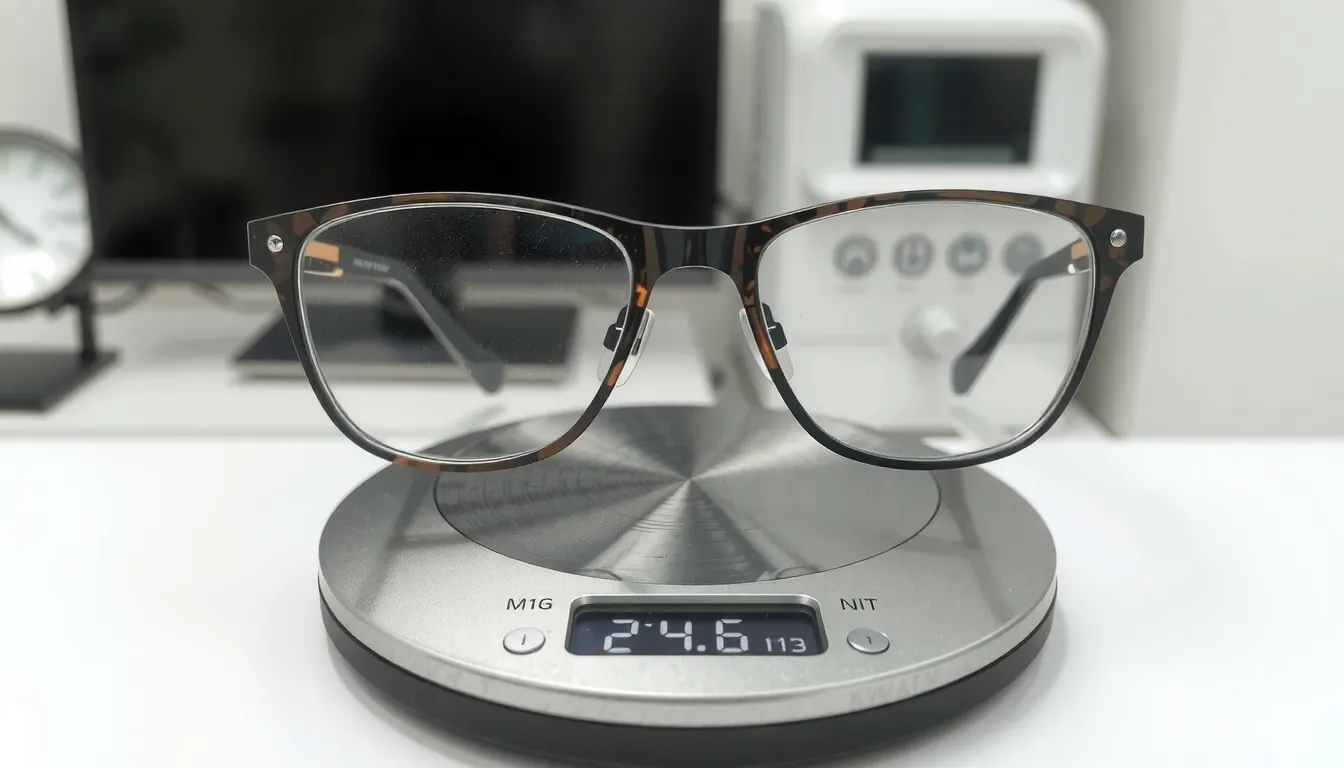
Here is how the two options stack up for everyday wear.
| Method | How long | Effort | Cost | Best for |
|---|---|---|---|---|
| Traditional glasses | Last years with care | Low | Low to medium | Vision correction, all-day wear |
| Smart glasses | A few hours per charge | Medium | Medium to high | Calls, music, navigation on the go |
| Clip-on smart add-ons | A few hours per charge | Medium | Medium | Adding tech to frames you already own |
Traditional glasses need no charging and work the moment you put them on. Smart glasses require a battery and a paired phone, but they let you take calls and listen without earbuds. Clip-on add-ons sit between the two: they keep your current frames but add bulk and need recharging. None of these options does everything, so the right one depends on whether you need vision help, connected features, or both.
Traditional glasses
Traditional glasses correct how light enters your eye so you see clearly. An eye exam determines your prescription, a lab cuts lenses to match, and you choose frames that fit your face. You put them on in the morning and take them off at night. There’s no battery, no app, and no pairing to manage.
They’re light, cheap to replace, and work in every lighting condition without a settings menu. Because they rely on static optics rather than digital sensors, they provide a consistent, flicker-free view of the world. You never have to worry about software updates or connectivity drops disrupting your vision.
The honest weakness is that they do nothing beyond vision correction — no audio, no camera, no navigation. If you need a stronger prescription later, you must buy new lenses, which is a normal cost of keeping your eyesight sharp.
This simplicity is also their greatest strength in high-stakes environments. When you’re operating heavy machinery or navigating a crowded street, you don’t want an interface overlaying your field of view. Traditional frames keep your attention locked on the physical world.
If you find yourself frequently distracted by digital notifications, these glasses act as a physical barrier against modern screen fatigue. You gain clarity without the cognitive load of a wearable computer. Choosing them is a deliberate decision to prioritize pure vision over the integration of information. While smart technology promises convenience, the traditional approach offers a reliable, low-maintenance way to interact with your surroundings without the constant demand for your focus.
Smart glasses

Smart glasses look like regular frames but carry speakers, microphones, a camera and a small display inside the arms. You charge them in a case, pair them to your phone with Bluetooth, and tap the frame to answer calls, play music or check directions. Some models also take photos or record video with a button press.
They’re good at keeping your hands free and your phone in your pocket. By offloading basic digital tasks to your eyewear, you can stay connected to notifications without the social friction of staring at a screen. This creates a more present experience when you’re walking, commuting, or engaging in casual conversation.
The weakness is battery life: most models run only a few hours before needing a charge, and the frames are heavier than ordinary glasses. That extra weight often sits on the bridge of your nose, which can become uncomfortable during a full workday. If you plan to wear them constantly, test the balance of the frame to ensure the weight distribution doesn’t cause fatigue.
Because they record audio and video, you should check local privacy rules before wearing them in public spaces where recording is restricted. Beyond legal concerns, consider the social context of your environment. Using a camera-equipped device in private settings or crowded venues can make others feel uneasy. Always look for status lights that indicate when the device is capturing data, and be prepared to stow them away in sensitive or professional situations where discretion is required.
Clip-on smart add-ons
Clip-on smart add-ons attach to frames you already own, giving you audio and camera features without replacing your glasses. You snap the device onto the bridge or temple, pair it with your phone, and use it for calls or music. When you’re done, you remove it and store it in its case.
This approach works well if you love your current frames and only want connected features for specific tasks. You might use them for hands-free navigation during a commute or to take quick photos while hiking, then return to your standard glasses immediately afterward. It provides a modular way to experiment with technology without committing to a permanent wearable.
The drawback is the extra weight concentrated on one side of your face. This imbalance can cause your glasses to slide down your nose or create pressure points behind your ears after an hour of use. Because these devices are external, they often feature a bulky profile that can catch on hair, scarves, or hoodie strings.
They also need charging just like full smart glasses, so they don’t solve the battery problem. You must manage a separate charging cable or dock for the add-on, which adds another item to your daily carry.
If the clip-on runs out of power, it becomes dead weight that you must remove to restore the comfort of your original frames. Always check that the tension of the clip is compatible with your frame thickness, as thin metal wires may bend under the added stress.
Which one should you choose?
When you’re in a hurry, traditional glasses win because there’s nothing to charge or pair—you put them on and go. They offer a frictionless experience that integrates seamlessly into your morning routine without requiring a digital handshake.
When you’re doing this for the first time, traditional glasses are the safer start. An eye exam and a prescription are simple, and you won’t need to learn an app or manage software updates. You avoid the learning curve entirely, focusing instead on frame comfort and lens clarity.
When you want the best possible result whatever it takes, smart glasses win for connected features. They provide immediate access to notifications, navigation, and voice assistants, though they cost more and need daily charging. Consider if your lifestyle allows for a midday recharge. If your work involves frequent meetings or outdoor travel, the convenience of hands-free digital access may outweigh the tether of a charging cable.
The trade-off is simple: traditional glasses give you clear vision with no upkeep, while smart glasses give you technology on your face at the cost of battery life and extra weight.
Before committing, assess your tolerance for maintenance. If you find yourself frequently misplacing your phone or struggling to keep up with incoming alerts, smart glasses can act as a bridge to keep you connected. However, if your goal is purely visual correction, the reliability of a traditional pair remains unmatched. You’re choosing between a passive tool that simply works and an active device that requires your engagement to provide its full value.
What matters either way
Think about what you’ll actually use before you buy. If you need vision correction, start with an eye exam and a current prescription; if you do not, you can skip that step entirely.
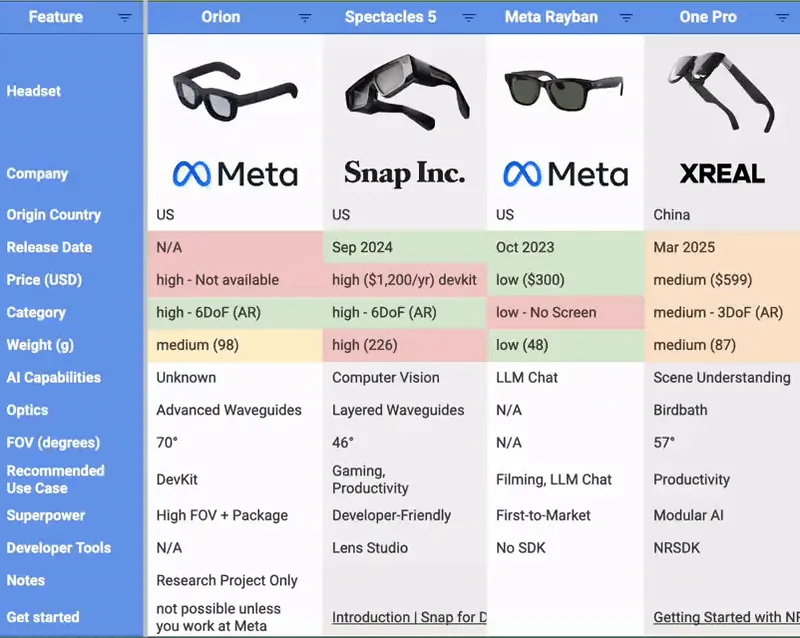
Check the weight of any frame you plan to wear all day, since heavier smart glasses can cause discomfort after an hour or two. Beyond the scale, consider the balance of the frame. Smart glasses often house batteries in the temples, which can shift the center of gravity forward and lead to persistent pressure on the bridge of your nose.
Partway through your first week, check whether the device still fits comfortably and whether the battery lasts long enough for your day. If the frame slides down your nose, the optical alignment of the lenses will suffer, causing eye strain. A professional adjustment at an optical shop can often correct this, but only if the frame material allows for bending.
At the end, clean the lenses with a microfiber cloth and store smart glasses in their charging case so they’re ready tomorrow. Oils and debris on the sensors can interfere with features like gesture control or proximity detection.
If a device records audio or video, confirm local rules about where you may wear it. In many public spaces, the presence of a camera lens creates social friction, regardless of whether you’re actively recording. Always be mindful of your surroundings before engaging smart features.
Ask an optician if you’re unsure about fit or prescription needs. Even if you buy online, a professional can verify if your pupillary distance matches the frame’s optical center. This measurement is vital for preventing headaches, especially when using augmented reality displays that require precise focal alignment. Without this, even the most advanced technology will feel like a poor fit for your daily life.
Frequently asked questions
Can smart glasses replace prescription glasses?
No. Smart glasses correct vision only if they’re made with your prescription lenses; most models are sold as non-prescription frames, so you would need custom lenses from an optician to use them for vision correction.
How long do smart glasses last on a charge?
Most models run about three to six hours per charge, assuming typical use like calls and music. Heavy camera use drains the battery faster, so check the maker’s specifications for your exact model.
Is it safe to wear smart glasses all day?
Yes, for most people, as long as the frame fits well and you take breaks if your ears or nose feel pressure. If you notice headaches or skin irritation, stop using them and ask an optician.
What happens if the battery dies mid-day?
The glasses stop working as a connected device. If they have prescription lenses, they still work as ordinary glasses; if they do not, they’re just frames until you recharge them.
Why do traditional glasses cost less than smart glasses?
Traditional glasses have no electronics, battery, or software, so they cost less to make and sell. Smart glasses include cameras, speakers and processors, which raises the price.
How often should you update your glasses?
Update traditional glasses when your prescription changes, which an eye care professional can check during a routine exam. Replace smart glasses when the battery no longer holds a charge or the hardware stops working.
Conclusion
Ultimately, your choice depends on whether you value simplicity or extra features. If you’re still undecided, visit an optical shop to try on a few pairs. You’ll quickly see how these frames feel on your face and whether the added technology fits your lifestyle. It’s worth taking the time to choose wisely.