

Smart glasses with cameras let you shoot photos and record video hands-free from a small lens built into the frame. They work like regular glasses, but they add a camera, microphones, speakers, and wireless connection to your phone. Smart glasses with cameras differ mainly in how they look, how long their battery lasts, and what they do with your recording.
Smart glasses with cameras at a glance
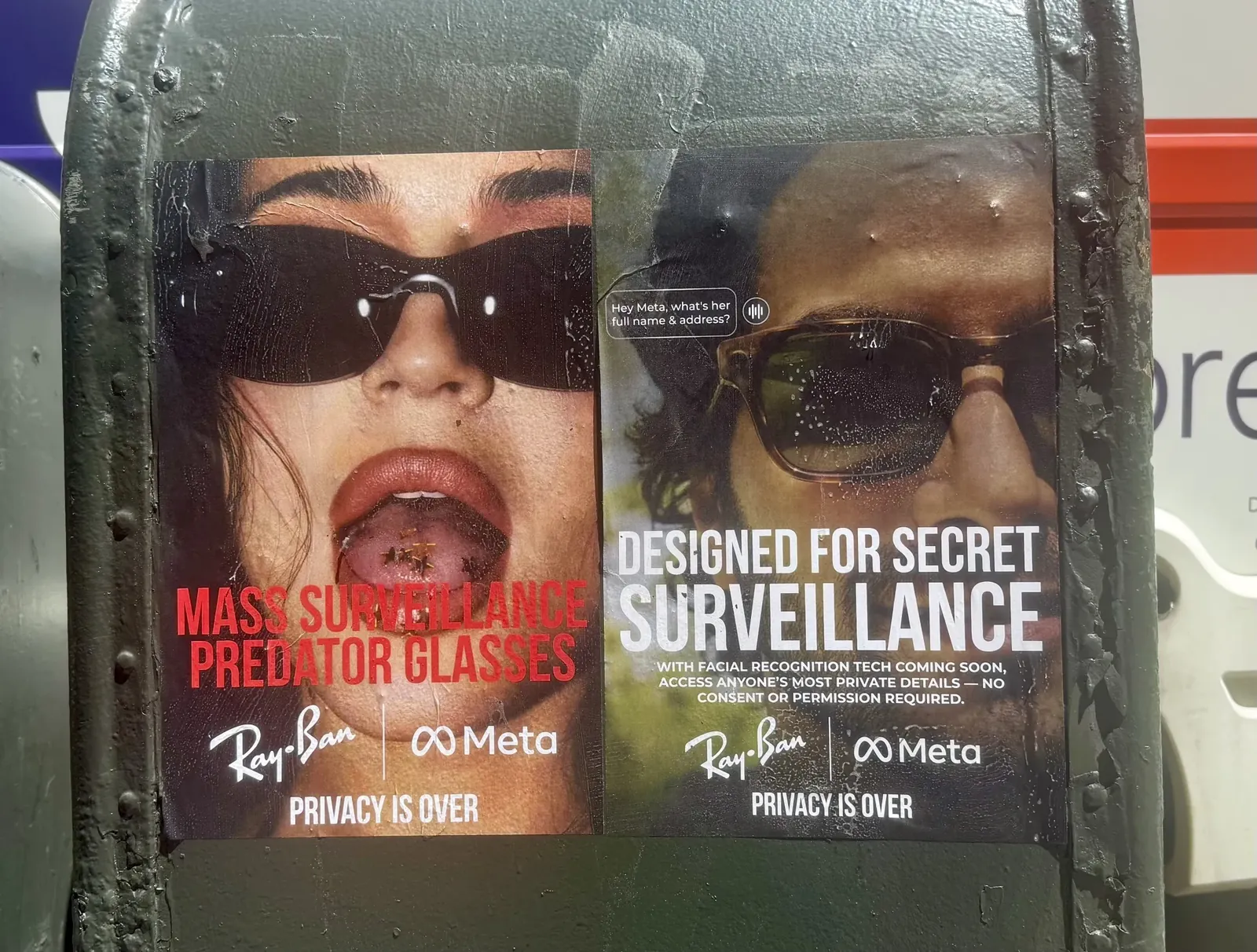
One lead sentence: here are the main types of smart glasses with cameras and what each one does best.
| What it’s called | What it’s best for | One example |
|---|---|---|
| Camera sunglasses | Casual photo and video capture | Ray-Ban Meta |
| Action-camera glasses | Sports and movement footage | GoPro-connected frames |
| Audio-first smart glasses | Music and calls with light camera use | Bose-connected frames |
| AR camera glasses | Digital information over your view | Enterprise AR frames |
| Prescription camera glasses | Vision correction plus recording | Custom-fitted frames |
Ray-Ban Meta smart glasses
Ray-Ban Meta smart glasses look like ordinary sunglasses but include a 12-megapixel camera and open-ear speakers. They suit people who want to capture moments without reaching for a phone, especially while walking, cycling, or meeting friends.
- Take photos and short videos with a tap or a voice command.
- Stream live to social media from the glasses.
- Listen to music and take calls through built-in speakers.
- Use prescription lenses if you need vision correction.
A concrete example: you can say “Hey Meta, take a photo” while holding a coffee cup, and the camera captures the scene without you touching anything.
Bose Frames
Bose Frames focus on audio first, with a small camera added to some models. They suit people who care more about music and calls than high-resolution video, and who want frames that look like normal glasses.
Play music and podcasts through open-ear audio. Answer phone calls without holding your phone. Record short video clips when you need them. Choose from several frame shapes and sizes.
The core appeal lies in the discreet form factor. Unlike bulkier smart eyewear, these frames hide their technology behind a classic aesthetic. You can wear them into a professional meeting or a crowded cafe without appearing as if you’re carrying a recording rig.
Consider how the audio integration changes your daily workflow. Because the speakers sit near your temples rather than inside your ear canals, you remain fully aware of your surroundings. This makes them a safer choice for urban environments where hearing traffic or nearby conversation is essential for situational awareness.
A concrete example: a commuter can listen to a podcast on the train and record a quick clip of a street scene when something catches their eye. Because the camera is secondary to the audio experience, the device feels like a natural extension of your existing headphones.
However, recognize the limitations of this hybrid approach. The camera sensor is optimized for quick, spontaneous captures rather than high-fidelity cinematic work. If your primary goal is professional-grade video production, these frames will likely fall short. They’re built for the casual user who values the convenience of a hands-free, audio-centric wearable that happens to capture a moment in time.
Snap Spectacles
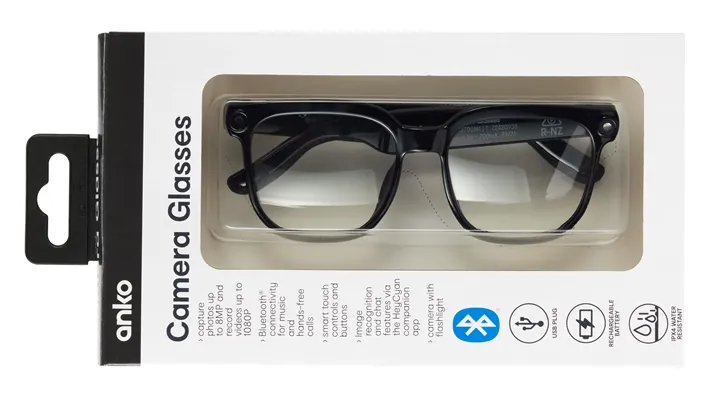
Snap Spectacles are built for creating short-form video for social platforms. They suit content creators who want a camera built into the frame and an easy way to send clips to friends or followers.
Record video in short bursts with a button press. Send clips directly to Snapchat and other apps. Wear frames designed to look like everyday sunglasses. Charge in a small case that fits in a pocket.
These glasses work by prioritizing the immediate capture of a perspective that a handheld phone often misses. Because the camera sits at eye level, the viewer experiences the scene exactly as the wearer does. This creates a sense of immersion that feels more authentic than a standard selfie-style recording.
A concrete example: a creator at a festival can record a fifteen-second clip and upload it without taking a phone out of their bag. This allows the user to remain present in the crowd while still documenting the performance from a first-person viewpoint.
The hardware is optimized for those who value spontaneity over high-fidelity production. If you’re looking to capture long-form cinematic footage, these glasses will likely fall short of your expectations. They’re designed for the rapid, iterative nature of modern social feeds where speed and perspective matter more than technical perfection.
You should consider this device if your workflow relies heavily on the Snapchat ecosystem. The integration is seamless, allowing for instant transitions from recording to sharing. If your primary goal is to maintain a constant, low-friction connection with your audience, the form factor provides a distinct advantage over traditional camera setups that require manual framing and focus adjustments.
Vuzix Blade smart glasses
Vuzix Blade adds a camera to augmented-reality glasses that project information into your field of view. They suit workers and professionals who need hands-free information while they look at the real world, not casual users.
These glasses function as a wearable display for data, messages, or maps, overlaying digital content directly onto your surroundings. By integrating a camera, they allow users to capture photos and video of exactly what they’re looking at in real time.
The system connects to enterprise software and remote support tools, allowing it to run specialized applications directly on the hardware. This design prioritizes utility for industrial environments, where efficiency and accuracy are paramount.
A concrete example: a technician can stream live video of a machine to a colleague off-site while keeping both hands on the repair. The remote expert sees the technician’s perspective and provides guidance through the display, reducing the need for travel or manual consultations.
This hardware matters because it bridges the gap between digital instructions and physical labor. Unlike consumer wearables that focus on social media or quick photography, Vuzix Blade is engineered to sustain long-term focus during complex tasks.
If your work requires constant access to manuals, schematics, or expert oversight, this device offers a distinct advantage over handheld tablets or smartphones. The glasses ensure that your primary focus remains on the equipment, effectively turning your field of vision into a collaborative workspace. By digitizing the workflow, you minimize the risk of error that comes from constantly shifting your attention between a screen and the task at hand.
Other smart glasses with cameras
Amazon Echo Frames prioritize seamless voice interaction over visual capture. While these frames excel at hands-free Alexa integration, their camera functionality remains secondary to audio performance. They’re best suited for users who need constant access to digital assistants without the bulk of traditional headsets. If your primary goal is managing smart home devices or listening to audio on the go, these frames offer a refined, low-profile experience that avoids the social friction often associated with visible camera lenses.
Xiaomi smart glasses target the intersection of daily utility and integrated displays. By focusing on lightweight construction, they aim to make augmented reality features accessible for standard consumer use. Because these models are often limited to specific regional markets, they function best as a testbed for users interested in how heads-up displays can overlay information during navigation or translation tasks.
TCL NXTWear glasses shift the focus toward immersive media consumption. Rather than acting as a standalone computer, they utilize camera input to facilitate high-definition viewing experiences. These are ideal for users who want a private, portable screen for gaming or cinema. Unlike glasses designed for social recording, these prioritize the internal display quality, making them a specialized tool for entertainment rather than an everyday communication device.
How to choose between them
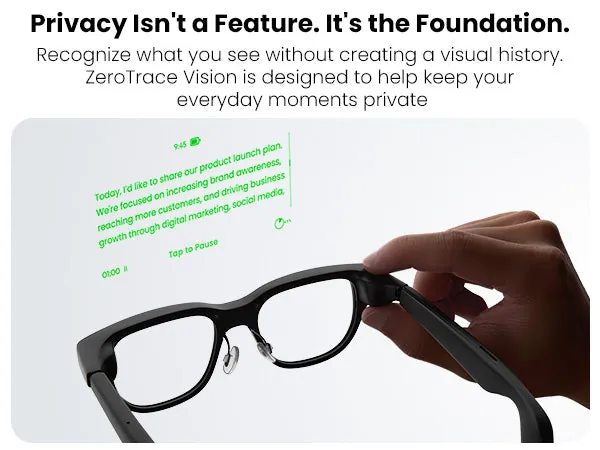
The choice settles on three things about you: what you already own, how much battery life you need, and whether you care more about video quality or discreet looks. If you want familiar frames and easy social sharing, Ray-Ban Meta fits best.
If you mainly want music and calls with occasional video, Bose Frames suit you. If you create short social video daily, Snap Spectacles make the most sense. You can combine them — for example, wear audio frames for music and use a phone for serious video — but picking one pair means carrying one less thing to charge.
Related guides
- Fitbit Versa Series: Features and Buying Guide
- Fitbit vs Apple Watch: Features and Differences
- Fitbit Charge Series: Features and Buying Guide
Frequently asked questions
Can smart glasses record without anyone knowing?
Most models show a small light when the camera is on, but the light can be easy to miss in bright daylight. You should assume people nearby may not notice you’re recording.
Why do some smart glasses cost more than others?
Price usually tracks camera resolution, battery size, display technology, and whether the frames include prescription lenses or enterprise software.
How long does the battery last?
Typical use gives about three to six hours of mixed audio and camera use, assuming standard settings and room temperature; heavy video recording shortens that time.
Is it safe to wear them while driving?
Open-ear audio keeps your ear canals clear, but looking at a display or fiddling with controls can distract you; check your local road rules before wearing them behind the wheel.
What happens if I record in a place where cameras are banned?
You could be asked to leave, have the device confiscated, or face legal penalties depending on the venue and local law.
Does it matter which app the glasses use?
Yes — the companion app controls where your footage is stored, who can see it, and how long it stays on the device.
What to do next
Pick the pair that matches how you’ll actually use it, then check the battery rating on the maker’s page before you buy. Expect hands-free photos and video with a small light showing when the camera is active.
Assess your daily environment before committing. If you plan to use these devices in professional settings or crowded public spaces, prioritize models that offer a physical privacy shutter or a highly visible recording indicator. These features signal your intent to others and help avoid unnecessary confrontations.
Test the fit for weight distribution across your nose bridge. If the frames feel front-heavy, they will likely cause discomfort during extended wear. Ensure the temples sit securely without pinching your temples, as a loose fit will cause the camera to capture shaky, unusable footage.
Verify that the companion app is compatible with your current smartphone operating system version. Many older devices lose support for firmware updates, which are essential for maintaining the security of your recorded data.
Stop using them and contact the maker if the frames overheat, the light stays on when the camera should be off, or the app behaves strangely. If the device fails to sync your media consistently, perform a factory reset to clear potential software conflicts. Should the issue persist, document the error codes to expedite your support request.