

Choosing headphones depends on your lifestyle and comfort preferences. In-ear models are ideal for commuting, while over-ear designs suit long listening sessions. Wireless pairs offer convenience but require charging, whereas wired options provide constant power. This guide helps you select the right type and settings for your needs.
What everyday headphones are
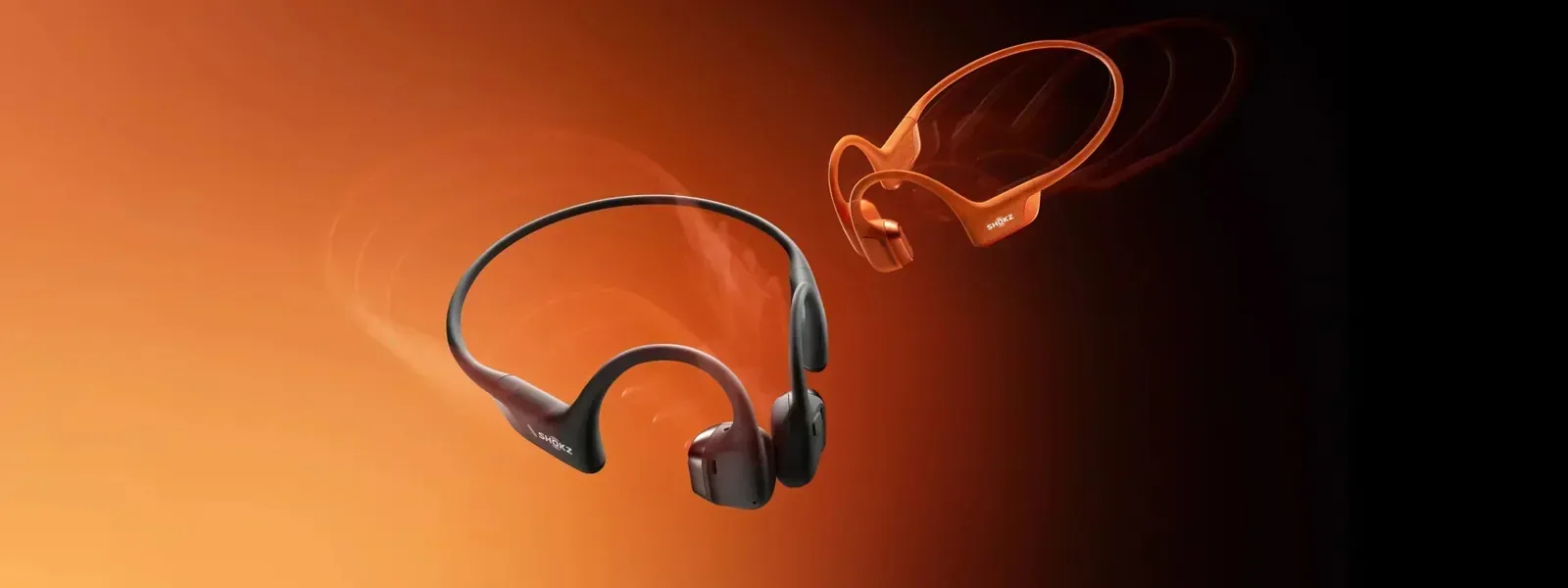
Everyday headphones are personal audio devices you wear for hours at a time — on the train, at a desk, or around the house. The three main styles are in-ear earbuds, on-ear headphones that sit on top of the ears, and over-ear models that fully cover them. People buy them for music, calls, podcasts, and video while moving through a normal day.
A common misconception is that noise cancelling blocks every sound; it mainly reduces steady low hums like engines and air conditioners, while voices and sudden noises still get through. Sound quality depends on the driver size and the seal the ear tip or cushion makes against your head.
Wireless models connect over Bluetooth and need a charged battery, whereas wired models plug into a headphone jack or USB-C port and draw no power of their own. Comfort matters more than raw specifications because a pair you can’t tolerate for thirty minutes will sit in a drawer.
How to choose headphones for everyday use
Decide where you’ll wear them most. In-ear buds suit commuting, travel, and gym use because they’re small and block outside sound. Over-ear models work better at home or at a desk for sessions longer than an hour.
Choose wired or wireless. Wireless gives you freedom of movement but requires charging every few days. Wired headphones never need power and work with any device that has a jack.
Set a budget before looking at features. Entry-level wireless earbuds are quite affordable compared to premium noise-cancelling models. Know your limit so features don’t push you past it.
Try for fit if you can. Ear tips come in multiple sizes, and headband pressure varies by brand. A seal that feels right in the store usually feels right after an hour of use.
Check which controls matter to you. Touch controls can trigger by accident in a pocket, while physical buttons work with gloves but add bulk.
Decide if you need a microphone for calls. Most models include one, but call quality varies widely and is rarely listed in the specifications.
The single judgement call is comfort over specification. A headphone with excellent sound but a tight clamp or an ear tip that won’t seal will see less use than a decent pair you forget you’re wearing.
Headphone types and what they fit
| Situation | Best choice | Battery life to expect | What to watch for | | Commuting and travel | In-ear noise cancelling buds | 6-8 hours per charge | Ear tip seal must be tight or bass disappears | | All-day desk work | Over-ear wireless | 20-40 hours | Headband pressure can cause soreness after two hours | | Exercise and running | In-ear sport buds with wingtips | 5-7 hours per charge | Sweat resistance rating matters more than sound | | Home and TV watching | Over-ear wired or wireless | Wired: none needed; wireless: 20+ hours | Cable length or Bluetooth range to the TV | | Tight budget | Basic wired in-ear | None needed | No microphone or remote on cheapest models | | Phone calls all day | Over-ear or in-ear with boom mic | 15-30 hours | Microphone position affects voice clarity |
The battery figures assume typical volume levels around 50 to 60 percent; louder listening drains the cell faster.
Details that separate good choices from bad ones
Experienced buyers check the seal before anything else. With in-ear buds, that means trying the smallest and largest silicone tips in the box, not just the ones already fitted. A poor seal lets bass leak out and makes outside noise louder than it needs to be. With over-ear models, they press the headband gently and notice whether the clamp eases after a minute or keeps squeezing.
Look for how the materials react to skin oils and movement. Plastic hinges often creak when you walk, which transmits distracting noise directly into the ear cup. A sturdy build should feel silent during a brisk walk.
They also test controls in real conditions. Touch surfaces on earbuds often pause music when hair or a scarf brushes them, while tiny buttons on over-ear models can be hard to find by feel.
Order matters here: fit first, then sound, then extras. Features like multipoint Bluetooth—connecting to a phone and laptop at once—are useful, but only if the headphones stay comfortable long enough to use them. If the clamping force causes a headache, no amount of advanced connectivity will make the pair a daily necessity.
Problems you might notice and how to fix them

| What you notice | What it usually means | What to do first | | Sound cuts out in one ear | Low battery or Bluetooth interference | Charge fully, then move away from other wireless devices | | Ear pain after an hour | Headband too tight or wrong ear tip size | Try the next ear tip size or loosen the headband if adjustable | | Bass sounds weak | Ear tip seal is broken or tips are the wrong size | Refit the tips and twist the bud slightly to seat it | | Microphone sounds muffled | Mic hole is blocked or wind is hitting it | Clean the opening gently and speak toward the mic | | Battery dies faster than advertised | Volume is high or noise cancelling is on | Lower the volume and turn noise cancelling off when not needed |
If one side stops working entirely after charging and pairing, the issue is likely a hardware fault rather than a setting, and you should contact the maker’s support instead of trying to open the unit yourself.
Rules and checks before you buy
No government body sets a universal volume limit for consumer headphones, so you should confirm a few things yourself before purchasing.
First, check that the connector matches your phone or laptop. You must verify if you require USB-C, Lightning, a 3.5 mm jack, or Bluetooth only. Relying on an adapter often introduces connection lag or physical strain on your charging port.
Second, look at the maker’s stated water or sweat rating if you’ll exercise in them. An IPX4 rating handles sweat, while lower ratings do not. If you ignore this, moisture can eventually damage internal components.
Third, verify the return policy so you can send back a pair that hurts after a day of use. Comfort is subjective and impossible to judge in a store.
Fourth, read the warranty terms to know what counts as damage you caused versus a defect. If you have concerns about fit or hearing, consult an audiologist or your primary care provider for professional guidance on protecting your long-term ear health.
Keeping headphones working after you buy
Store in-ear buds in their charging case when not in use so the battery stays topped up and the tips stay clean.
Wipe over-ear cushions with a dry microfiber cloth every couple of weeks, and replace silicone ear tips when they tear or stop sealing. Accumulated oils from your skin can degrade the material of the cushions over time, causing them to crack or lose their shape.
Keep wired cables loosely coiled rather than wrapped tightly around a device, since sharp bends break the internal wires. If sound starts to fade in one ear, clean the mesh grille with a dry soft brush — never poke anything into the driver.
There’s no universal service interval. The sign that attention is due is a change in sound, comfort, or battery life that doesn’t improve after cleaning and charging. When the audio becomes muffled or imbalanced, it’s often a sign of debris buildup rather than a mechanical failure of the hardware itself.
When everyday headphones are the wrong choice
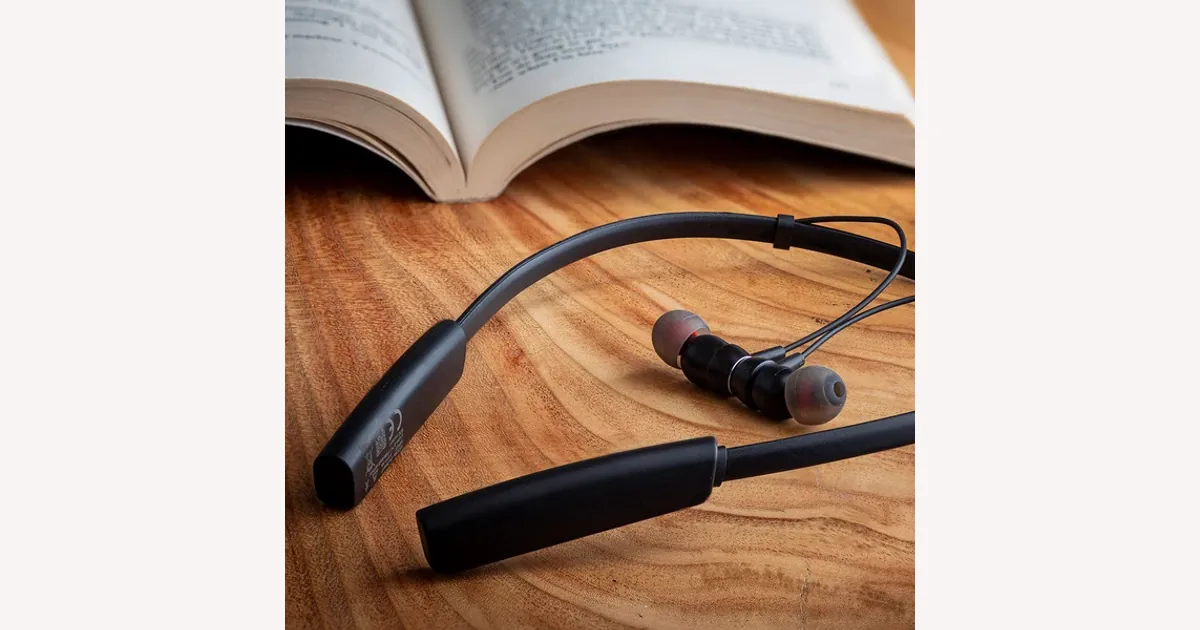
Open-back over-ear headphones leak sound and let outside noise in, so they’re a poor fit for commuting or an open office; closed-back models contain the sound better. If you need to hear traffic while running, bone-conduction headphones sit outside the ear and leave it open, though bass is weaker than standard buds.
For recording or critical mixing, studio monitor headphones give a flat response but are rarely comfortable for casual all-day wear. These models often emphasize accuracy over the ergonomic padding needed for long hours of travel.
If your environment is loud, like a subway platform or a busy flight, passive isolation will fail you. You must seek active noise cancellation instead. Without that electronic processing, you’ll inevitably turn the volume up to dangerous levels just to hear your music over the ambient roar. In each case, match the tool to the place you’ll use it rather than buying the most expensive pair.
Frequently asked questions
How long do everyday headphones last?
Two to four years of regular use is typical, assuming you store them in a case and avoid dropping them. Battery life in wireless models declines over time, which is usually the first part to fail.
Can I wear noise cancelling headphones all day?
Yes, but take them off for a break every few hours if your ears feel warm or sore. Noise cancelling itself doesn’t damage hearing, but listening at high volume for long periods can.
How much should I spend?
Reliable wireless earbuds for daily use are inexpensive compared to high-end alternatives; spend more only if you need active noise cancelling or premium materials. Basic wired models are also a low-cost option if you don’t need Bluetooth.
Is it safe to sleep in headphones?
It isn’t recommended for in-ear models because pressure on the ear canal can cause irritation, and a charging case in bed creates a small risk. If you need sound at night, use a speaker or a dedicated sleep headband instead.
What happens if I lose one earbud?
Most makers sell replacements individually, but the price is often close to half the cost of a new pair. Check the brand’s support page before assuming you must buy a full replacement set.
How do I know if the fit is right?
Music should sound full with clear bass, and outside noise should drop noticeably without turning the volume up. If sound leaks or the bud falls out when you shake your head, try a different tip size.
Conclusion
Finding your perfect pair shouldn’t feel like a chore. Once you’ve narrowed down the features that matter most to you, head to a local shop to try a few models on. You’ll quickly see which ones feel best during a test run, so don’t be afraid to take your time deciding.