

Noise cancelling headphones block outside sound so music, podcasts, and calls come through clearly. The best noise cancelling headphones use microphones to pick up noise and create an opposite sound wave that cancels it out before it reaches your ears. The result is quieter listening without turning the volume up.
Types of noise cancelling headphones
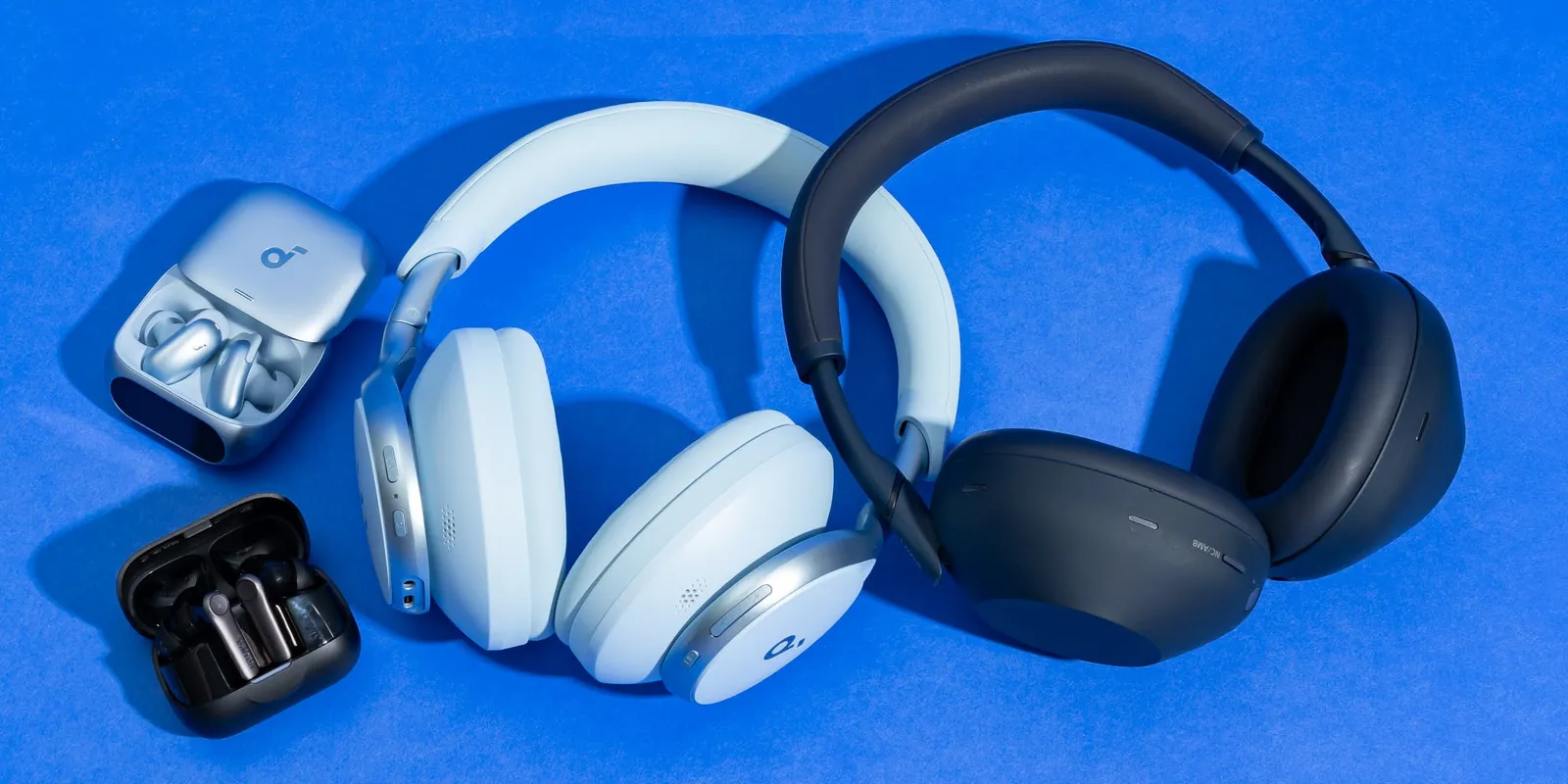
| Name | What it’s best for | Example |
|---|---|---|
| Active noise cancelling headphones | Loud travel and open offices | Sony WH-1000XM5 |
| Passive noise isolating headphones | Quiet rooms and tight budgets | Sennheiser HD 280 Pro |
| Hybrid noise cancelling headphones | Flights and commutes | Bose QuietComfort Ultra |
| In-ear noise cancelling earbuds | Exercise and portability | Apple AirPods Pro |
| Over-ear noise cancelling headphones | Long listening sessions | Bose QuietComfort 45 |
Active noise cancelling technology uses internal microphones to sample ambient sound and generate an inverted wave that effectively cancels out low-frequency drones. This makes them essential for anyone working in a bustling office or enduring the constant hum of an airplane engine.
Passive noise isolation relies entirely on the physical design of the ear cup to block sound. Because these models lack complex electronics, they’re often more durable and affordable. They excel in environments where you need to block out voices or sudden noises without the pressure sensation sometimes caused by active systems.
Hybrid models combine these two approaches, utilizing both internal and external microphones to monitor sound. This dual-layered processing allows them to adapt more quickly to changing environments, such as the shifting acoustics of a train commute.
In-ear earbuds prioritize a compact footprint for active users. Their seal within the ear canal provides a natural barrier against external noise, which complements the electronic cancellation. They’re the standard choice for gym-goers who need a secure fit that resists sweat and movement.
Over-ear headphones offer the most expansive soundstage and comfort for extended wear. By fully enclosing the ear, they provide a consistent acoustic seal that allows the noise-cancelling hardware to work with maximum efficiency. They’re the preferred option for long-haul travelers who prioritize comfort over portability.
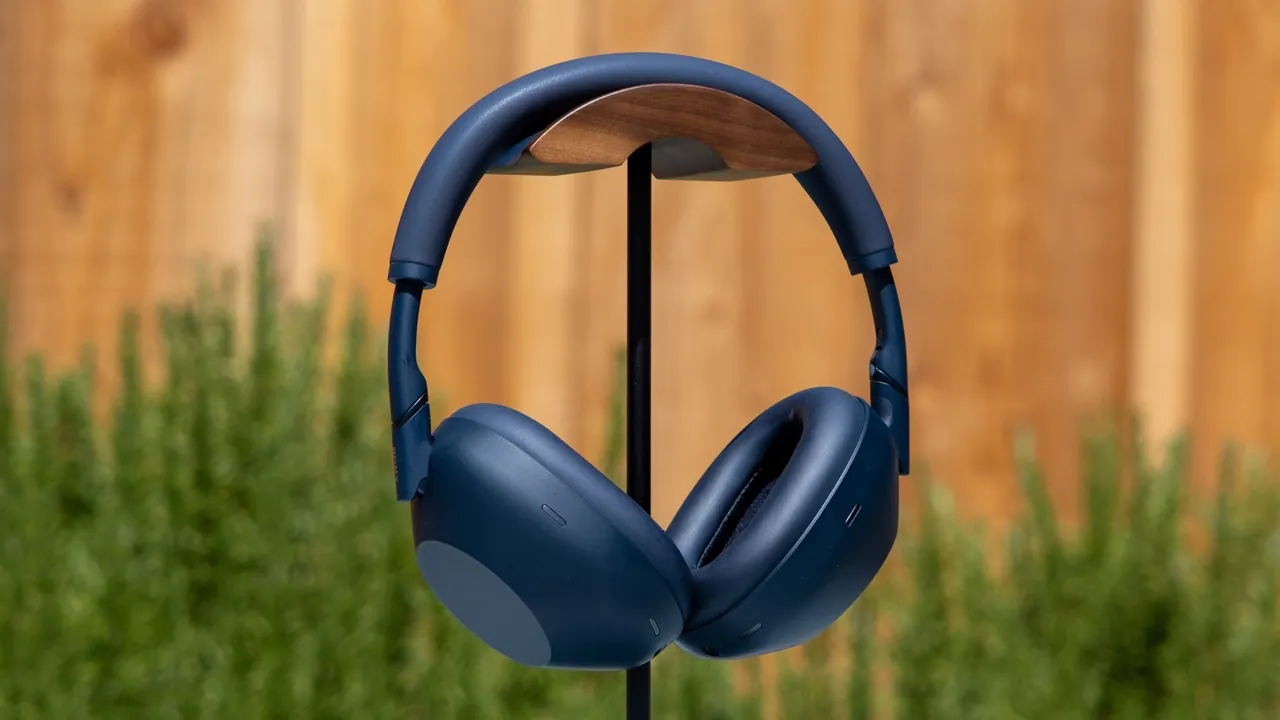
Sony WH-1000XM5
This is an active noise cancelling headphone with two processors and eight microphones that listen to outside sound and cancel it. It suits commuters, frequent flyers, and people working in noisy offices who want long battery life.
The dual-processor system excels at isolating high-frequency sounds, such as human speech, that often penetrate lesser headphones. This makes them particularly effective for open-plan offices where unpredictable chatter can break your concentration.
- Blocks engine rumble, chatter, and background office noise
- Lasts about 30 hours with noise cancelling on
- Connects to two devices at once so you can switch between phone and laptop
The multipoint connection is a major benefit for those who juggle calls and media. When a call comes in on your phone, the headphones seamlessly pause your laptop audio to prioritize the incoming connection. You don’t need to fumble with Bluetooth settings or manual disconnects.
A real example: a traveler puts them on before a flight and listens to music at a low volume while the plane cabin stays quiet around them. Because the seal is comfortable for extended wear, you can keep them on for the duration of a long-haul journey without experiencing the typical pressure or fatigue associated with heavy over-ear designs.
Bose QuietComfort Ultra
This is a hybrid noise cancelling headphone, meaning it uses both feedforward and feedback microphones to catch noise inside and outside the ear cup. Unlike the Sony model above, it focuses on steady comfort for long wear plus a mode that lets outside voices in when you need them. It suits people who wear headphones for many hours and want soft ear cushions that don’t press hard.
- Cancels low drone and higher voices well
- Includes an aware mode so you can hear announcements without removing them
- Built for all-day comfort with plush ear pads
A real example: an office worker wears them through an eight-hour workday, switching between music and aware mode when a colleague speaks.
Apple AirPods Pro
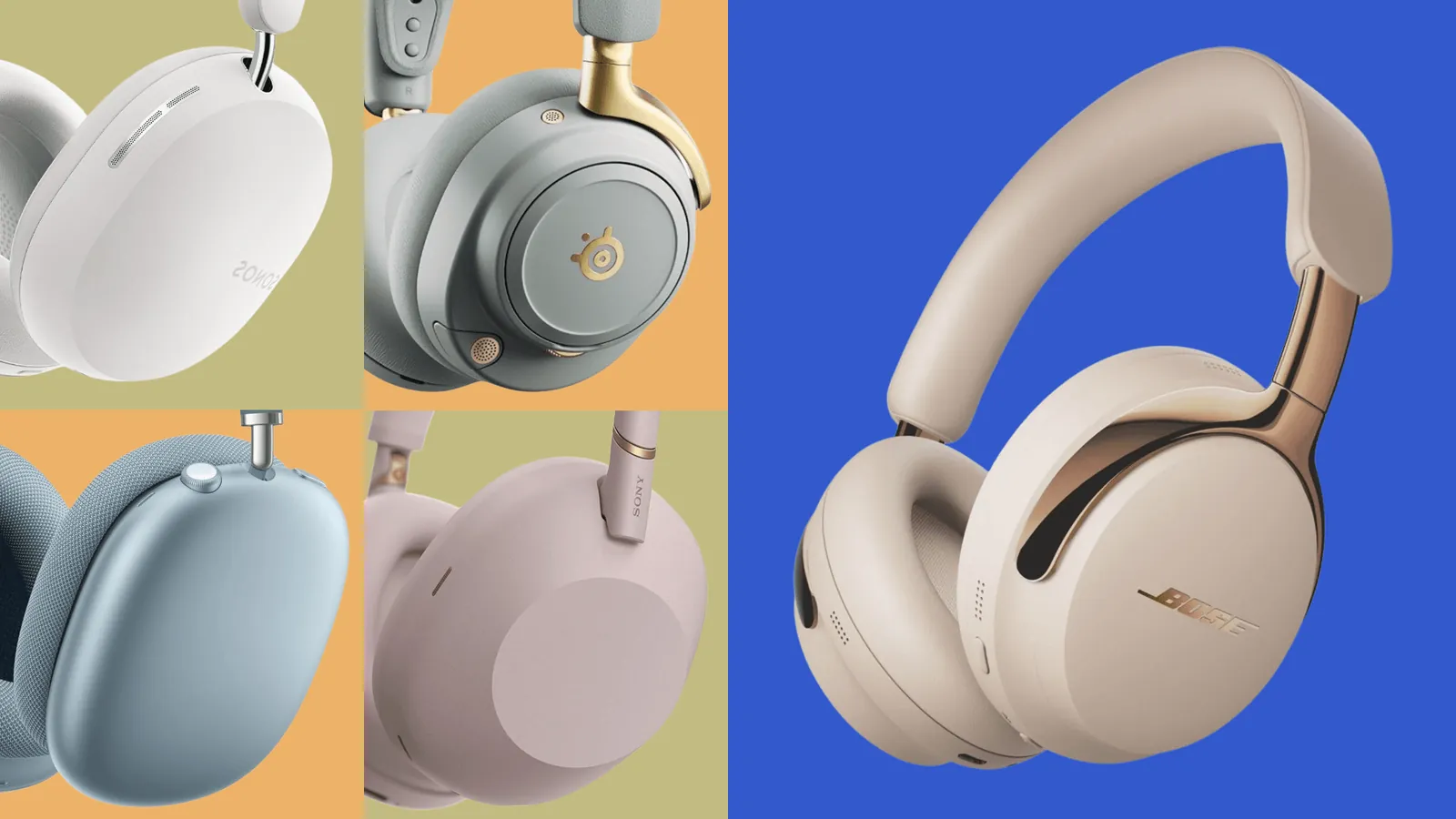
This is an in-ear noise cancelling earbud that fits inside the ear canal and seals with silicone tips. It does something the over-ear models do not: it stays in place during exercise and fits in a pocket. It suits people who move around, travel light, or don’t want headphones over their ears.
- Active noise cancelling that adapts to the fit in your ear
- Transparency mode lets outside sound in for safety outdoors
- Small charging case holds multiple extra charges
A real example: a runner puts them on for a morning jog with noise cancelling off so traffic stays audible, then switches it on for the train ride home.
Sennheiser HD 280 Pro
This is a passive noise isolating headphone. It blocks sound with thick ear cups and a tight seal rather than electronics, so it needs no battery and never runs out. It suits people who want a simple, durable pair for quiet spaces and don’t want to charge anything.
Because the Sennheiser HD 280 Pro relies on physical pressure rather than active circuitry, it creates a consistent acoustic environment. You never have to worry about the high-pitched hiss or digital artifacts sometimes introduced by active noise cancellation. This makes them a favorite for those who prioritize pure, uncolored audio fidelity over modern digital features.
The design excels in environments where you need to hear your surroundings clearly the moment you take the headset off. Since there’s no software processing your audio, the signal path remains entirely analog. This provides a reliable, latency-free listening experience that’s ideal for monitoring live instruments or editing audio tracks on a computer.
- Blocks outside sound through physical isolation alone
- No electronics to fail or recharge
- Replaceable ear pads and cable for long life
A real example: a home listener uses them in a quiet room to focus on music without any buttons or charging. The intense clamping force ensures that no external distractions penetrate the seal, allowing for total immersion during long study sessions.
Other noise cancelling headphones
Bose QuietComfort 45 — These over-ear headphones prioritize long-term wearability. The plush ear cushions and lightweight headband are designed for travelers who need to keep them on for hours during cross-country flights or train commutes without feeling pressure or fatigue.
Sony WH-1000XM4 — This remains a top-tier choice for those who want flagship performance without the latest price tag. While the newer models offer slightly refined microphones, the XM4 still delivers industry-leading noise cancellation and the same signature sound profile that made the series famous. It’s the smartest value play for most listeners.
Jabra Elite 8 Active — These in-ear buds are engineered for movement. Unlike standard noise-cancelling models, these feature a specialized coating that ensures they stay secure in your ears even during high-intensity exercise. They’re fully sweatproof and waterproof, making them the only option here that can handle a rainy run or a heavy gym session without risking internal damage.
If you’re choosing between these, consider your primary environment. Select the Bose for pure travel comfort, the Sony for office or home utility, and the Jabra if your headphones need to survive the rigors of a daily workout routine.
How to choose noise cancelling headphones
Pick by what you already have and where you’ll wear them. If you fly or commute often, choose an over-ear active model like the Sony WH-1000XM5 or Bose QuietComfort Ultra because they block the most low-frequency drone. If you exercise or need something small, choose in-ear noise cancelling earbuds like the AirPods Pro. If you want no charging and a quiet room, choose passive isolation like the Sennheiser HD 280 Pro.
You can combine them: keep over-ear headphones at your desk and earbuds in your bag. But picking one often means leaving the other at home, so match the main place you’ll use them first.
Related guides
Frequently asked questions
Can noise cancelling headphones block all sound?
No. They cut steady low sounds like engines and air conditioners the most, while sudden sharp noises like a door slam still get through. The amount blocked depends on the model and how well it seals around your ears.
How long does the battery last?
About 20 to 40 hours with noise cancelling on, assuming a full charge and moderate volume. Heavy use or higher volume shortens that time, so check the maker’s specifications for your exact model.
Is it safe to wear noise cancelling headphones outside?
It can be unsafe near traffic because you may not hear cars or warnings. Use transparency or aware mode outdoors so outside sound stays audible, and keep the volume low enough to hear your surroundings.
What happens if the battery dies?
Passive isolation still works because the ear cups physically cover your ears, but active noise cancelling stops and you lose the electronic quieting until you recharge.
Does it matter which noise cancelling headphones I buy?
Yes. Models differ in how much noise they block, how comfortable they are, and how long the battery lasts, so the right choice depends on where and how long you’ll wear them.
Can I use noise cancelling headphones for phone calls?
Yes. Most models have microphones that pick up your voice while noise cancelling reduces background sound for the person on the other end, though wind can still interfere outdoors.
What to do next with noise cancelling headphones
Think about where you’ll wear them most and choose one model to try first. Expect quieter listening and less need to raise the volume, with the sign that outside drone fades once you turn noise cancelling on. Stop using them and get help if you feel pain, pressure, or ringing in your ears after wearing them.
Once you have your pair, test the seal by wearing them in a high-traffic environment, like a busy cafe or a public transit station. If ambient sound still leaks through, adjust the headband tension or rotate the earcups slightly to ensure the cushions sit flush against your skin. A proper fit is the primary factor in how well the passive isolation complements the active electronics.
Take time to explore the companion app for your specific model. Many manufacturers hide advanced features like custom EQ settings or transparency modes behind these digital interfaces. Adjusting these settings can significantly change how the headphones handle wind noise or high-frequency chatter.
Finally, establish a routine for cleaning the ear pads. Accumulated oils and dust degrade the material over time, which eventually compromises the acoustic seal. Wipe them down with a dry cloth after every few hours of heavy use to maintain both comfort and performance.