

Choosing the right phone charger means matching your phone’s charging port, its charging speed limit, and your own need for speed or portability. Look for a charger that supports your phone’s fast-charging standard, uses the correct cable, and carries a safety certification mark. A charger that doesn’t match your phone simply charges slower or not at all.
Types of phone charger

Choosing the right phone charger depends on whether you need speed at home, power while traveling, or a single block for several devices.
| Charger type | Best for | Example |
|---|---|---|
| Standard wall charger | Overnight charging at home | Apple 5W USB power adapter |
| Fast wall charger | Quick top-ups during the day | Samsung 25W USB-C charger |
| Multi-port wall charger | Charging phone and watch together | Anker 2-port wall charger |
| Car charger | Charging while driving | Belkin car charger |
| Wireless charger | Nightstand charging without cables | Samsung wireless charger pad |
| Portable power bank | Charging away from a wall outlet | Anker power bank |
Standard wall charger
A standard wall charger plugs into a wall outlet and delivers a slow, steady charge to your phone. It suits people who charge overnight or keep a phone plugged in at a desk all day, where speed doesn’t matter.
Because these chargers provide a lower wattage, they generally operate with lower power throughput, which can result in less heat generation during the power conversion process. Using a lower-wattage charger can result in slower charging, which may reduce the heat generated by the battery itself during the charging process compared to high-speed charging. It’s the ideal choice for preserving capacity if you plan to keep your device for a long time.
- Charges safely without stressing the battery
- Costs less than fast-charging blocks
- Works with almost any phone using the right cable
You should choose this option if you have a predictable routine that allows your phone to sit idle for hours at a time. If you only have thirty minutes to power up before leaving the house, however, this low-wattage delivery will leave you frustrated by a nearly empty battery.
Example: leaving an older iPhone on a standard 5-watt charger beside the bed while you sleep. By the time you wake up, the device is fully charged and ready, having spent the entire night in a gentle, low-temperature state that avoids the strain of rapid power cycles.
Fast wall charger
A fast wall charger delivers more power than a standard block, so your phone reaches a usable level in less time. It suits anyone who needs a quick top-up before leaving the house.
- Charges a compatible phone much faster than a standard block
- Often uses USB-C for both the wall end and the phone end
- Pairs with a fast-charging cable to reach the phone’s top speed
Example: plugging a Samsung Galaxy into a 25-watt USB-C wall charger for a 30-minute top-up before work.
Multi-port wall charger
A multi-port wall charger has more than one outlet on a single block, so you can charge several devices from one wall socket. It suits people who charge a phone, watch, and earbuds at the same time.
These devices solve the common problem of limited outlet access in older homes or crowded offices. By consolidating your power needs into one hub, you eliminate the clutter of tangled cables behind your nightstand or desk.
- Saves wall space by replacing several chargers
- Charges multiple devices at once
- Often includes both USB-A and USB-C ports
When selecting one, check the total power output listed on the block. Many chargers split their wattage across all active ports. If you plug in a high-demand device like a tablet alongside your phone, the charger may throttle the speed to each port to prevent overheating.
Look for models that specify “intelligent power distribution.” These units detect the requirements of each connected device and adjust the voltage accordingly. This ensures your phone receives the fastest charge possible without damaging the battery of smaller accessories like wireless earbuds.
Example: charging a phone and a smartwatch from one bedside block instead of two. This setup keeps your surface clear while ensuring every device is ready for the morning.
Car charger
A car charger plugs into a vehicle’s power outlet and charges your phone while you drive. It suits anyone who spends time on the road and needs the battery topped up by the time they arrive.
- Charges during a drive instead of waiting until you get home
- Often includes a USB-C port for newer phones
- Works with the phone’s existing charging cable
Example: using a car charger with a USB-C cable to keep a navigation phone powered on a long trip.
Wireless charger
A wireless charger lets you set your phone down on a pad to charge without plugging in a cable. It suits people who want a tidy nightstand or desk and don’t mind slower charging.
This convenience matters most for devices you leave stationary for long periods. By eliminating the constant insertion and removal of a physical connector, you prevent the internal charging port from loosening or accumulating lint over time. It preserves the integrity of your hardware while keeping your workspace free of tangled wires.
- Removes wear on the phone’s charging port
- Works with any phone that supports wireless charging
- Needs only the pad and a wall plug
You should verify that your specific phone case is thin enough to allow for power transfer. Thick, rugged cases or those containing metal plates often act as a barrier, causing the charger to fail or overheat. If you notice your device getting exceptionally hot, remove the case before placing it on the pad.
Example: placing a compatible iPhone on a wireless charging pad on the nightstand each evening. Because the phone remains in one spot all night, the slower speed is irrelevant, and the ease of simply dropping the phone onto the surface ensures you never wake up to a dead battery.
Portable power bank
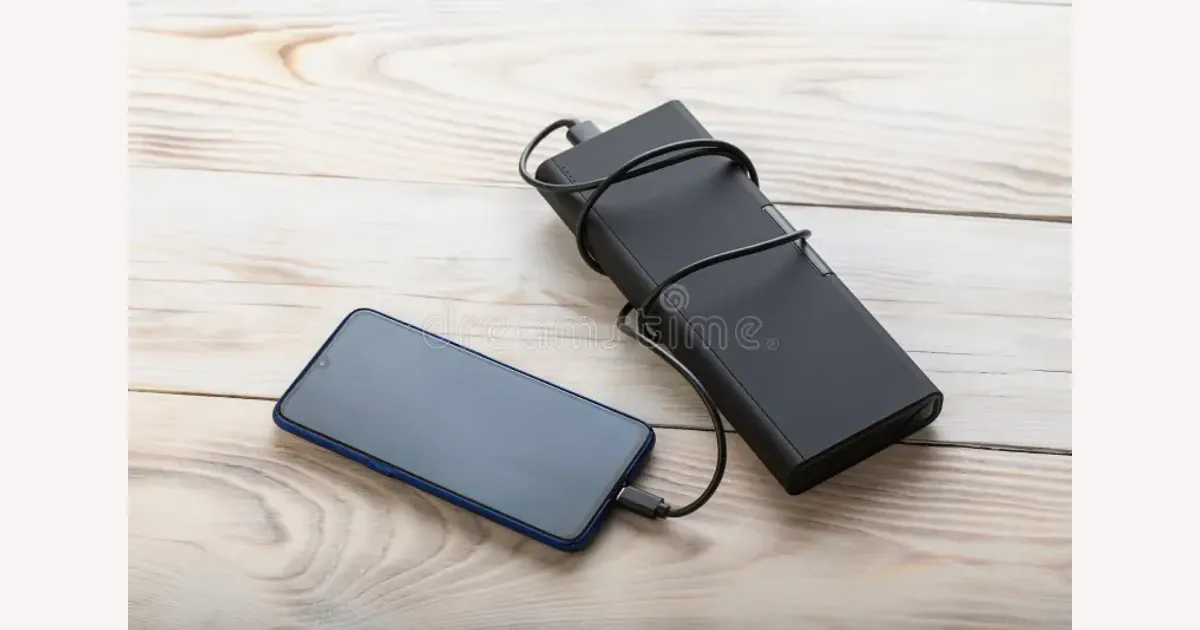
A portable power bank is a battery you carry in a bag or pocket to charge your phone away from any wall outlet. It suits travelers, commuters, and anyone far from a plug for hours at a time.
Think of the capacity as your safety net. A bank rated at 10,000mAh will typically provide two full charges for a modern smartphone, while lower capacities might only offer a single emergency boost. Always check if your device supports fast charging, as some banks provide higher wattage outputs that significantly reduce the time you spend tethered to your bag.
Consider the physical weight versus the utility. A larger, high-capacity brick is excellent for a weekend camping trip, but it quickly becomes a burden during a daily commute. For everyday use, look for a slim, lightweight model that slides easily into a jacket pocket.
If you carry multiple devices, prioritize a bank with two output ports. This allows you to charge your phone and a pair of wireless earbuds simultaneously.
- Charges without needing a wall outlet
- Fits in a bag or pocket for travel
- Recharges from a wall outlet when you get home
Example: slipping a power bank into a backpack to top up a phone during a day trip. You can keep your device powered while navigating transit or capturing photos without hunting for an open wall socket.
How to choose the right phone charger
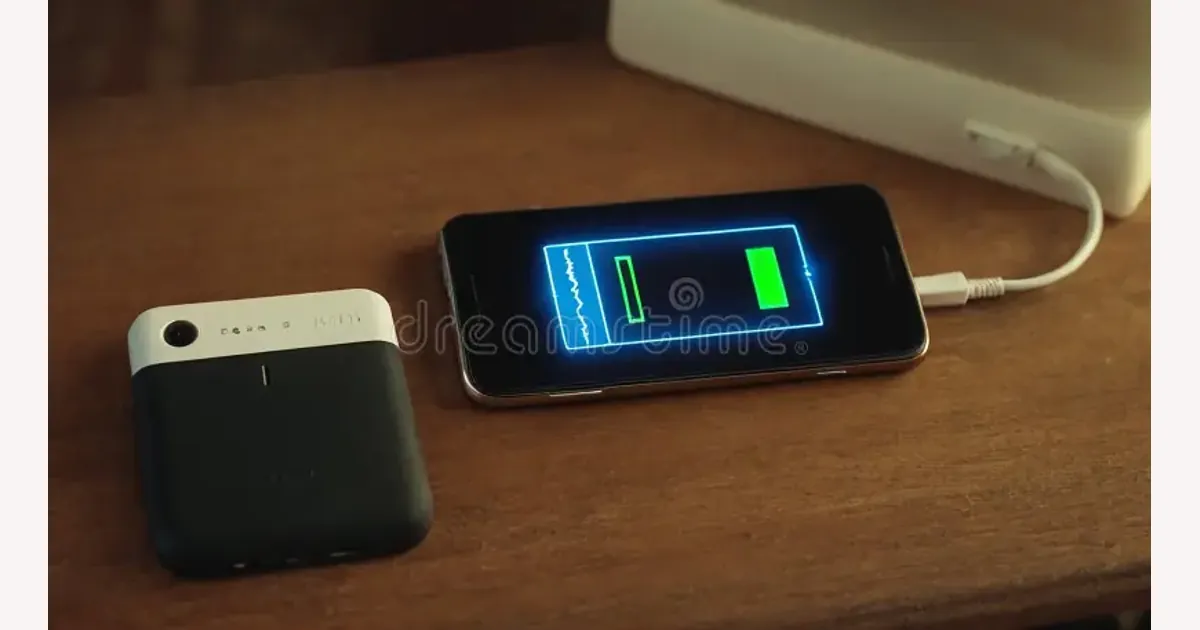
Start with what your phone already accepts. If your phone has a Lightning port, you need a Lightning cable; if it has USB-C, you need USB-C. If your phone supports fast charging, match the charger’s wattage to your phone’s limit — a higher-wattage charger won’t damage the phone, but a lower-wattage one charges more slowly.
If you charge several devices at once, pick a multi-port block; if you drive often, add a car charger. You can combine types, but buying one charger for every situation usually means carrying more than you need.
What wattage charger do I need for my phone?
Check your phone’s manual or the manufacturer’s website for its maximum charging wattage. A charger rated at that wattage or higher works fine; the phone draws only what it can use. A lower-wattage charger simply takes longer.
Can I use any charger with any phone?
You can use any charger whose cable fits your phone’s port, but speed depends on whether both support the same fast-charging standard. A mismatched pair charges slowly but safely.
Is it safe to leave a phone charging overnight?
Modern phones stop drawing power when full, so overnight charging is generally safe. Use a charger with a certification mark and keep it on a hard surface, not under a pillow.
Does a higher-wattage charger damage the battery?
No. The phone controls how much power it draws, so a higher-wattage charger won’t force extra power into the battery. Heat from fast charging is normal but managed by the phone.
How long does fast charging take?
A fast charger can bring many phones from empty to about 50 percent in roughly 30 minutes, assuming the phone and cable both support that speed. The exact time depends on the phone model and battery size.
What happens if I use the wrong cable?
A cable that doesn’t match your phone’s port won’t plug in, and an older cable may not carry fast-charging speeds even with a fast charger. Use the cable that came with the phone or one rated for the same standard.
Pick the charger that fits your phone and your routine
Start by checking your phone’s port and its maximum charging speed, then buy a charger that matches both. Expect the phone to reach a useful level quickly with a fast charger, or overnight with a standard one. Stop and ask the phone’s maker or a qualified repair shop if the port feels loose, the charger gets unusually hot, or the phone won’t charge at all.
Your daily routine dictates the wattage you actually need. If you charge your device exclusively while you sleep, a high-wattage fast charger offers no practical advantage and may even increase heat buildup over time. Standard chargers are perfectly adequate for these long, unattended windows.
Conversely, if you rely on short bursts of power during a busy workday, prioritize a charger that meets your phone’s peak input capacity. Using an underpowered block in these moments will leave you tethered to the wall far longer than necessary.
Always inspect your cables for fraying or exposed wires before plugging them in. A damaged cable can create resistance that causes the cable itself to heat up and may prevent the phone from receiving the necessary voltage for efficient charging. If your device feels scorching to the touch during a charge, disconnect it immediately to prevent internal battery degradation.
Related guides