

Wireless earbuds vs over-ear headphones comes down to one question: how you plan to wear them. Earbuds sit inside your ear canal and win for commuting, exercise, and anything on the move. Over-ear headphones sit over your ears and win for long listening sessions at home or at a desk. For most people, wireless earbuds are the better everyday pick because they’re small, light, and easy to carry. If you listen for hours at a time and comfort matters more than portability, over-ear headphones are the better choice.
How wireless earbuds and over-ear headphones compare
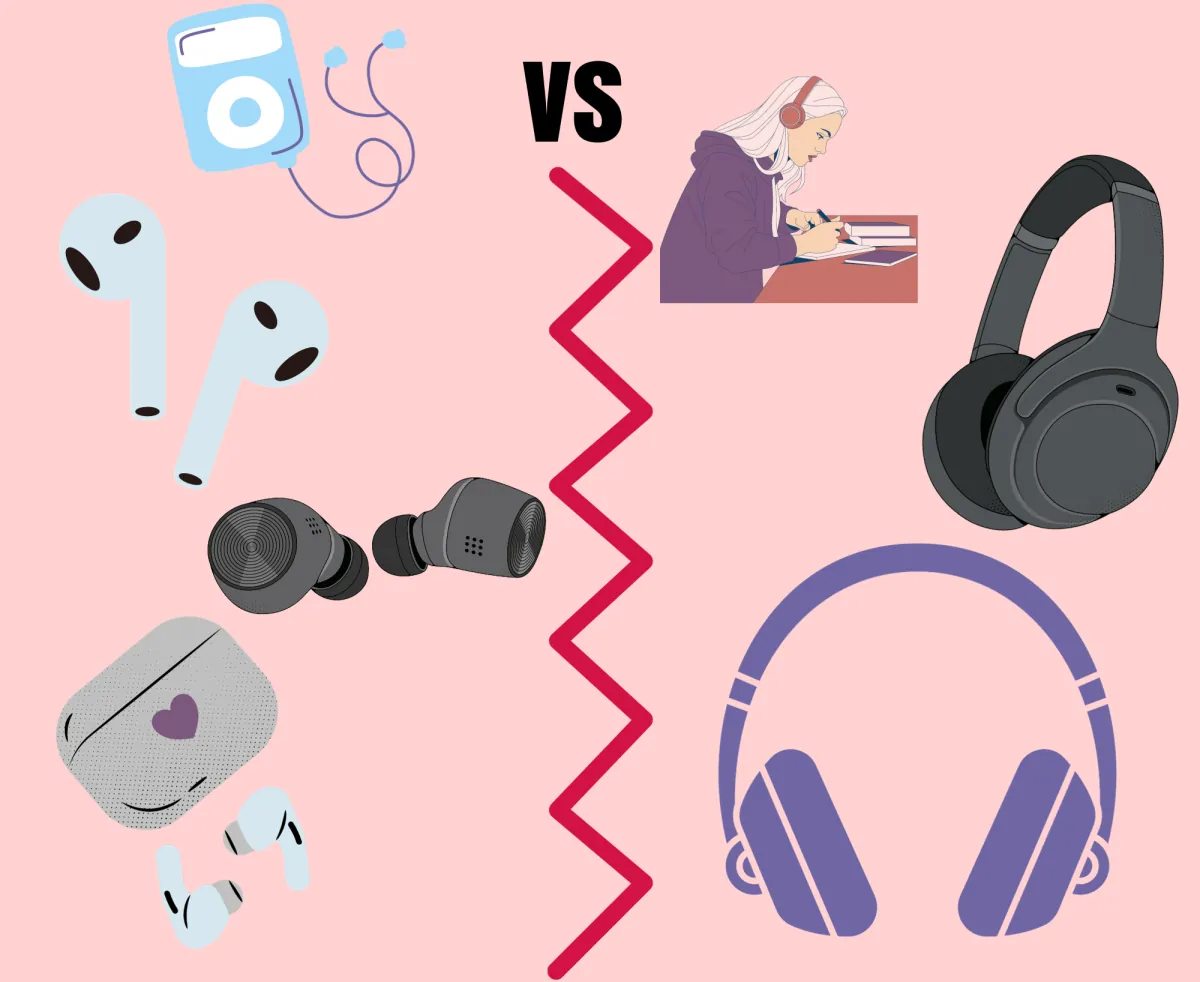
The two styles solve the same problem — private, wireless listening — but they trade off size against sound quality and comfort. Here is how they line up.
| Method | How long | Effort | Cost | Best for |
|---|---|---|---|---|
| Wireless earbuds | 4–8 hours per charge | Low | Low to medium | Commutes, exercise, travel |
| Over-ear headphones | 20–40 hours per charge | Low | Medium to high | Long home or office sessions |
| Wired earbuds | As long as your device plays | Low | Low | Backup listening without charging |
Earbuds are the smallest option and cost the least, but their battery runs out faster. Because they sit inside the ear canal, they often struggle to provide the expansive soundstage found in larger designs. They’re ideal for high-motion activities where stability matters more than acoustic depth.
Over-ear models last much longer on a charge and usually sound fuller, yet they’re bulky to carry. Their larger drivers move more air, which naturally creates deeper bass and clearer separation between instruments. These headphones physically enclose the ear, providing a passive seal that blocks out environmental noise better than smaller, open-fit alternatives.
Wired earbuds need no battery at all, but the cord limits where you can go. They remain the most reliable choice for long-distance flights or desk work where you can’t risk a sudden power drop.
No single method wins every column, so the right one depends on where and how long you listen. If you prioritize portability, the trade-off is frequent recharging. If you prioritize immersion, you must accept the weight of carrying a larger case. Choosing between them is ultimately a matter of deciding whether you value the convenience of a pocket-sized device or the consistent performance of a full-sized headset.
Choose wireless earbuds
Wireless earbuds slip into your ear canal and connect to your phone over Bluetooth. Most models come with a charging case that holds extra power, so you can top them up during the day.
Pick ear tips that seal your ear canal, as a loose fit lets bass escape. If you hear thin, hollow sound, swap the silicone tips for the next size up. A proper seal creates the physical pressure required for deep, resonant low-end frequencies.
Pair them with your phone through the Bluetooth settings. Once connected, your device should recognize the buds automatically whenever you open the case.
Wear the case with you and recharge the buds when the light warns you. Keeping them in the case ensures they’re always topped off for your next trip.
Use one bud at a time if you need to stay aware of traffic around you. This “transparency” approach is safer for city commuters who need to hear approaching vehicles.
They’re good for travel and exercise because they barely weigh anything and fit in a pocket. Many models resist sweat and rain, which over-ear headphones rarely do. This makes them ideal for high-intensity workouts where moisture is a constant factor.
The weakness is comfort: after an hour or two, some people feel pressure inside the ear. If you have small ear canals or find in-ear tips irritating, this style may not suit you.
Battery life also fades after a year or two of daily charging. Because the internal cells are usually glued in place, there’s no way to replace them. You should weigh this limited lifespan against the convenience of their compact, portable design before committing to a premium pair.
Choose over-ear headphones
Over-ear headphones rest on your head with large pads that cover your ears completely. They connect wirelessly, and many models also accept a wired cable when the battery dies.
Adjust the headband so the pads seal around your ears without clamping hard. A proper seal is the primary factor in passive noise isolation; if the pads sit on your cartilage rather than surrounding it, you lose the low-frequency rumble reduction that makes these headphones superior for travel.
Pair with your phone or plug in the cable if you prefer a wired connection. Using a cable often bypasses the internal digital-to-analog converter, which can provide a cleaner, more detailed signal for high-resolution audio files.
Charge every few days, since most models last twenty to forty hours. If you notice the sound quality dropping or the noise cancellation fluttering, the battery is likely near depletion; plugging in will prevent a shutdown.
Fold them into the case only if the model is designed to fold — forcing them breaks the hinge.
They excel at long listening sessions because nothing sits inside your ear canal, and the big drivers usually produce deeper, richer sound. Active noise cancellation works especially well here, as the physical enclosure provides a larger acoustic chamber to process sound waves, effectively blocking out airplane engines or office chatter.
The downside is size: they won’t fit in a pocket, and they can make your ears warm in hot weather. If you need to move around a lot while listening, they’re the less practical choice. The bulk makes them prone to sliding during vigorous exercise, and the sweat-wicking materials on the pads can degrade if exposed to moisture for extended periods.
Which one should you use?
For wireless earbuds vs over-ear headphones, the answer changes with the situation. When you’re in a hurry, grab wireless earbuds — they pair fast and you can be listening in seconds.
When you’re doing this for the first time, start with wireless earbuds because they cost less and you can test the fit without spending much. This low-stakes entry point helps you determine if you prefer the sensation of an in-ear seal or if you find it distracting during movement.
When you want the best possible result whatever it takes, choose over-ear headphones with active noise cancellation for the fullest sound and the longest battery life. These are ideal for static environments like a home office or a long-haul flight where you need to isolate yourself from the room’s acoustics.
The trade-off is simple: earbuds give you portability, while headphones give you comfort and sound quality for long sessions. You can’t have both in one device, so pick the one that matches where you’ll listen most.
If your day involves constant transitions between transit and walking, the pocketable nature of earbuds outweighs the audio depth of larger units. Conversely, if you spend hours at a desk, the physical pressure of earbuds can become fatiguing. Over-ear models distribute weight across the crown of your head, allowing for extended wear without the irritation that often follows several hours of in-ear contact.
What matters whichever style you pick
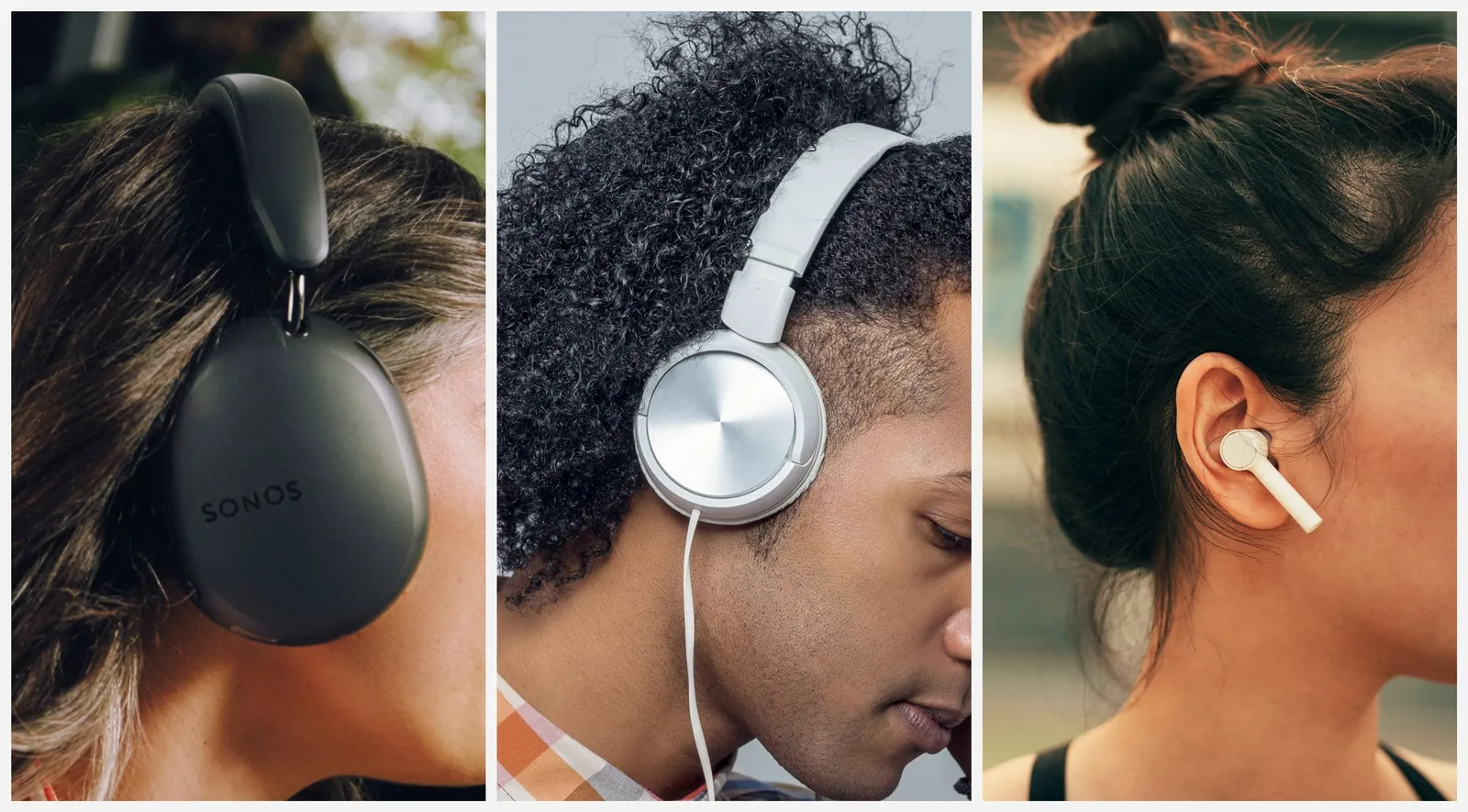
Fit, battery, and safety decide how happy you’ll be with either choice. Get these right and either method works well.
Try the fit before you commit. Earbuds need a secure seal in your ear canal to produce deep bass and block outside noise. If they feel loose, you lose sound quality and risk them falling out during movement. Over-ear headphones need pads that seal around your ears without pressing hard against your temples. A tight clamp causes headaches during long listening sessions.
Check the battery rating before you buy. Earbuds typically run four to eight hours per charge, while over-ear models run twenty to forty hours. Consider how often you’re near a power source. If you commute for long periods, the extra capacity of over-ear headphones prevents the frustration of a dead battery mid-trip.
Keep the volume at a safe level. The Centers for Disease Control and Prevention advises keeping personal listening devices below 85 decibels to protect your hearing. Because earbuds sit deeper in the canal, they often require less volume to feel loud. Be mindful of your settings when switching between styles.
Clean ear tips and headphone pads regularly to avoid ear irritation or infection. Oils and debris build up quickly on these surfaces.
If you need to hear traffic while you walk, choose earbuds with an awareness mode, or keep one ear open. Neither style is safe to use with the volume turned up high while crossing streets or riding a bike. When in doubt, turn it down.
Related guides
Frequently asked questions
Can I use wireless earbuds for exercise?
Yes. Wireless earbuds are small, light, and many models resist sweat and rain, making them the better choice for workouts. Over-ear headphones can trap heat and rarely handle moisture well. Look for an IPX rating of at least 4 if you exercise hard.
Why do over-ear headphones sound fuller?
Because their larger drivers move more air and the ear pads create a sealed chamber around your ear. That usually means deeper bass and richer detail than earbuds can produce. Earbuds rely on a tight seal inside your ear canal instead.
How long does the battery last?
Earbuds typically run four to eight hours per charge, with the case adding several more full charges. Over-ear headphones typically run twenty to forty hours per charge. Actual time depends on volume and whether noise cancellation is on.
Is it safe to sleep with them in?
No, not as a regular habit. Earbuds can press into your ear canal overnight, and headphones can be uncomfortable or a strangulation risk with the cord. If you must listen in bed, use a low volume and a device made for sleep.
What happens if the battery dies?
On earbuds, you stop listening until you recharge them in the case. On over-ear headphones, many models let you plug in a cable and keep listening while the battery charges or even after it dies.
Can I connect to two devices at once?
Some models support multipoint Bluetooth, which lets you stay paired to your phone and laptop at the same time. Check the specifications before you buy, because many earbuds and headphones don’t offer this.
Conclusion
Wireless earbuds vs over-ear headphones is really a choice between portability and comfort. If you move around a lot, earbuds win. If you sit still and listen for hours, headphones win. Try the fit before you buy, keep the volume safe, and pick the style that matches where you’ll listen most.