

Most wireless earbuds work best when you match the style to how you’ll actually wear them. For most people, in-ear models with silicone tips are the best wireless earbuds buying guide because they seal out noise and stay put while you move. If you hate anything inside your ear canal, open-ear buds that rest outside the canal are the better choice.
Wireless earbud types compared
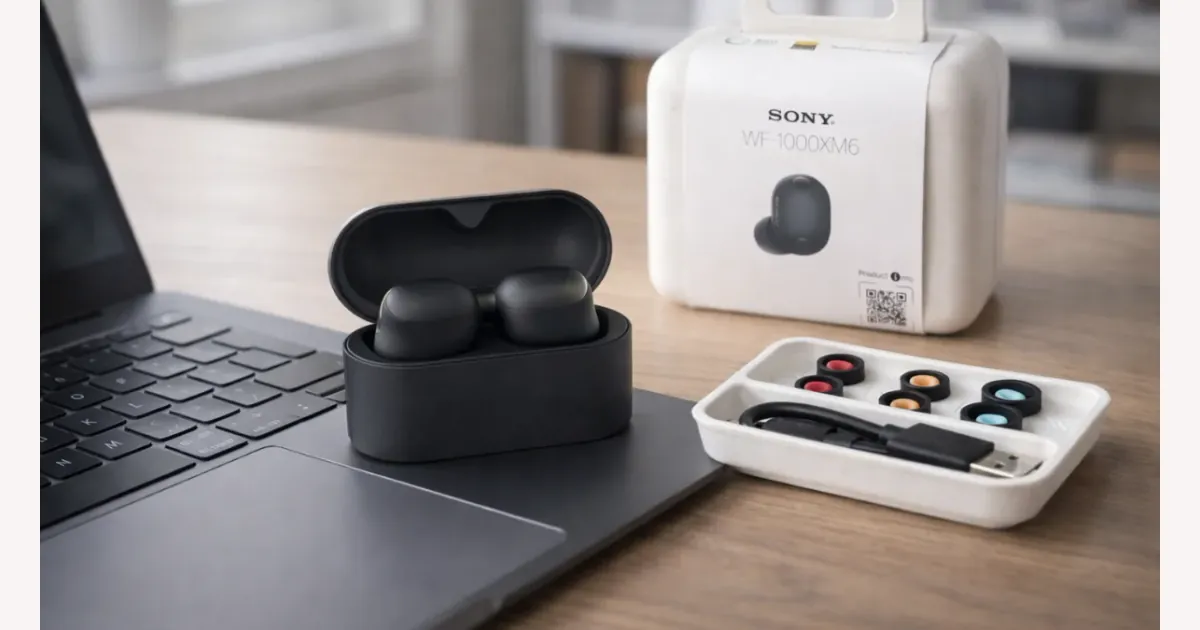
One lead sentence sets up the table that follows.
| Method | How long | Effort | Cost | Best for |
|---|---|---|---|---|
| In-ear with silicone tips | All day, with case | Low | Medium | Commuting, travel, noise blocking |
| Open-ear, outside the canal | All day, with case | Low | Medium | Office work, situational awareness |
| Sport buds with ear hooks or fins | Workout-length sessions | Low | Medium | Running, gym, sweat resistance |
| Premium models with active noise cancellation | All day, with case | Low | High | Flying, loud offices, focus |
No single row wins every column. In-ear buds block the most outside sound, but some people find the tips uncomfortable. Open-ear styles let you hear traffic and coworkers, yet they leak more sound and block less noise. Sport buds stay secure during heavy movement, but the hooks can feel bulky for all-day office wear. Premium noise-cancelling models cost the most and deliver the quietest experience, though the electronics add a little weight. Check each maker’s official specifications before you buy.
In-ear wireless earbuds with silicone tips
These buds slide into your ear canal and create a seal with soft silicone tips. That seal blocks outside noise and keeps bass from leaking out, which is why this design provides the most immersive audio experience for your daily commute.
Choose the tip size that makes a full seal without pain. If you feel pressure or a dull ache after ten minutes, the tip is likely too large for your canal.
Insert each bud and twist slightly until it sits snug. This motion helps the silicone conform to the unique curvature of your ear, ensuring the seal remains intact even while you’re walking or talking.
Pair with your phone through the Bluetooth settings. Once connected, play a track with a strong bass line to check the sound quality. If the music sounds thin or tinny, the seal is likely broken, and you should experiment with a different size.
Test the fit by shaking your head gently; if a bud moves, try a larger tip. A secure fit is the primary factor in preventing the earbuds from falling out during sudden movements.
This style is excellent at blocking airplane cabin noise and office chatter, and it usually sounds fuller than open-ear models. The weakness is that long sessions can make your ears feel sore or clogged. If you wear hearing aids or have narrow ear canals, ask an audiologist before using in-ear buds daily. They can help you determine if the constant pressure of a sealed canal will cause irritation or interfere with your existing ear health.
Open-ear wireless earbuds

Open-ear models rest just outside your ear canal or clip to your outer ear, leaving the canal open. Sound reaches your ears without anything inserted inside. This design relies on directional speakers to project audio into your ear while allowing ambient sound to pass through naturally.
Place each bud against your ear according to the maker’s left and right marks. Adjust the band or hook so the driver sits near your ear opening. Keep the volume moderate so people nearby can’t hear your audio.
This style is ideal for hearing your surroundings while you work or walk, and it avoids the plugged-up feeling of in-ear tips. Because your ear canal remains unblocked, you maintain full situational awareness, which is vital for urban commuters or cyclists who must hear traffic.
The primary trade-off is weaker bass response and less isolation from background noise. Without a physical seal, low-frequency sounds dissipate before they reach your eardrum. If you need to block a loud environment, such as a jet engine or a bustling office, open-ear buds aren’t the right tool.
You should choose this design only if you prioritize comfort and safety over acoustic immersion. If you find that traditional silicone tips cause ear fatigue or pressure, the open-ear approach offers a breathable alternative that remains comfortable for hours of continuous wear.
Sport wireless earbuds with secure fit
Sport buds add ear hooks, fins, or wings that grip the outer ear so the buds can’t pop out during movement. Many are also rated for sweat and water resistance.
Hook or fin each bud over the top of your ear before seating the tip. Press gently until the bud locks in place. Rinse sweat off with a damp cloth after each workout, then dry fully.
This style is good for running, cycling, and gym sessions where ordinary buds fall out. If you wear glasses, test the hook thickness against your frames before committing to a pair. Thick plastic hooks often compete for space behind the ear, causing pressure points that become painful after thirty minutes of activity.
The weakness is that hooks can press against glasses arms or feel bulky under a helmet. If a model isn’t rated for sweat, moisture can damage it over time; check the maker’s water-resistance rating before buying.
Look for an “IPX” rating specifically. An IPX4 rating or higher confirms the internal components are sealed against the salt and acidity found in human perspiration. Without this certification, the internal drivers often corrode within months of heavy use. If you prioritize high-intensity interval training, prioritize this rating over sound quality or battery life. A pair that survives your toughest sessions is always a better value than a premium model that fails due to moisture exposure.
Which wireless earbuds should you choose?
When you’re in a hurry, open-ear buds win because they fit almost any ear without tip trials. They rest gently against the outer ear, making them the superior choice for quick transitions between meetings or errands. You avoid the tedious process of swapping silicone sizes to find an airtight seal.
When you’re buying wireless earbuds for the first time, in-ear silicone models win because they’re the easiest to try and return if they don’t fit. Most retailers allow returns on these units if the internal hardware is intact, provided you haven’t compromised the hygiene of the tips. Their standardized fit makes them a low-risk entry point.
When you want the best possible result whatever it takes, premium noise-cancelling in-ear models win because they block the most sound and usually sound the richest. These units utilize advanced digital signal processing to neutralize low-frequency hums, such as airplane engines or office air conditioners.
The trade-off is comfort versus isolation versus price. In-ear buds isolate best but can tire your ears during extended sessions. Open-ear buds stay comfortable for all-day wear but let ambient noise in, which can be a liability in busy transit hubs.
Sport buds stay put but cost more for features you may not use off the treadmill. Premium models deliver the most performance at the highest price, and the difference only matters if you spend hours a day in loud places. If your commute is short, the extra investment in noise cancellation may offer diminishing returns compared to the convenience of a lighter, open-ear design.
What matters no matter which wireless earbuds you buy
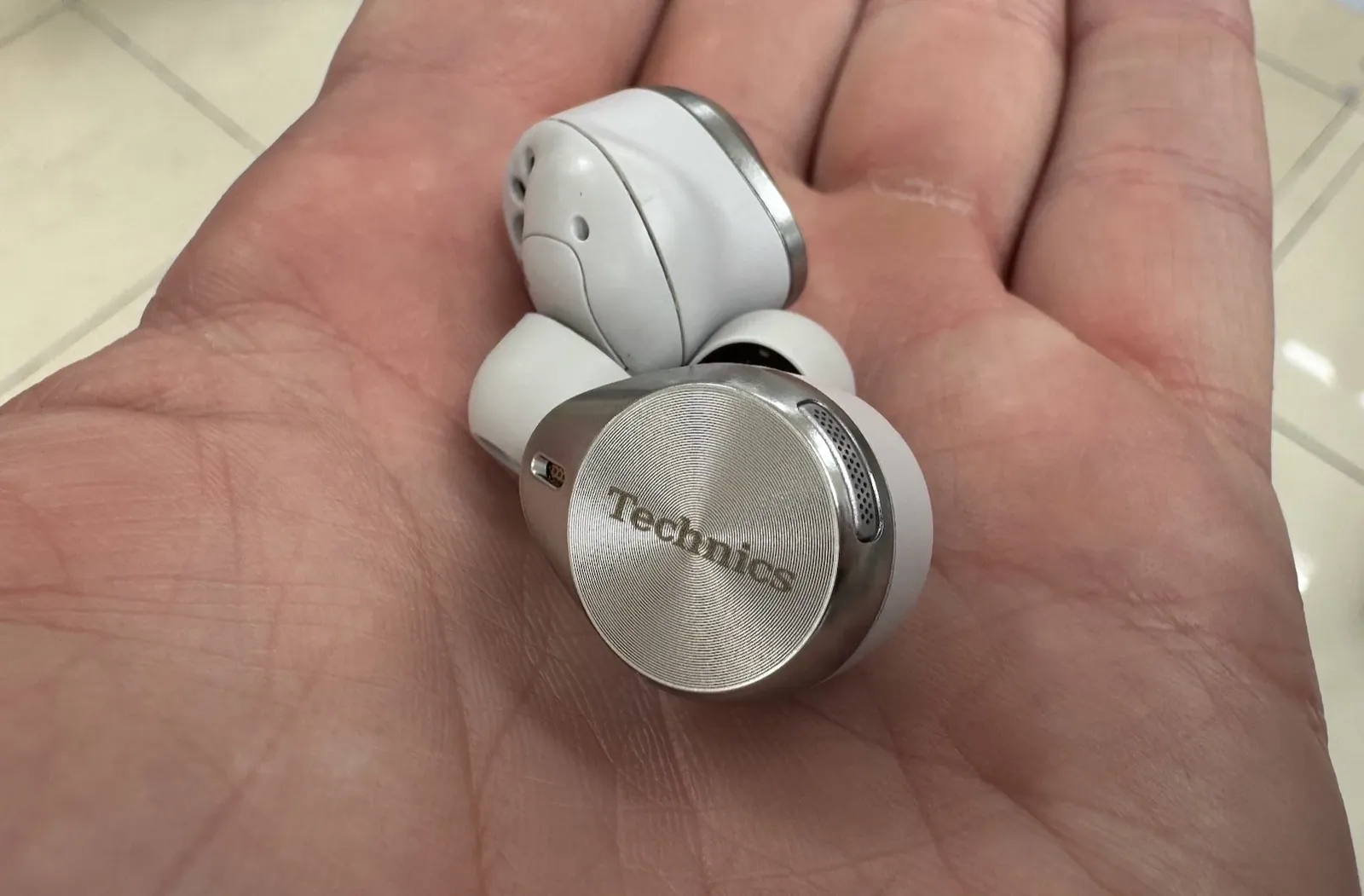
Buy from a brand that publishes battery life and water-resistance ratings, and check those figures against how you’ll use them. If you commute for two hours daily, a four-hour battery life will leave you stranded. Always prioritize manufacturers that provide clear documentation on these specs, as vague marketing often masks poor internal hardware.
Charge the case fully before the first use, and store the buds in the case when you aren’t wearing them. This practice keeps the buds charged and protected, preventing the deep discharge that can occur when buds are left unused for long periods.
Check the fit partway through your first long session. If your ears ache, try a different tip size or switch styles immediately. Ear fatigue often indicates that the nozzle is pressing against sensitive cartilage, which can cause lasting discomfort if ignored.
At the end of each week, wipe the tips and charging contacts with a dry cloth. Earwax and oils create a film that prevents the metal pins from making a clean connection, which often leads to one earbud failing to charge.
Battery life varies by volume level and whether noise cancellation is on, so the maker’s number assumes moderate use. If a claim needs testing, a license, or equipment most people don’t have, the manufacturer’s support team handles that properly. Treat official ratings as best-case scenarios rather than guaranteed daily performance.
Related guides
Frequently asked questions
Can I wear wireless earbuds while sleeping?
No, most models aren’t designed for overnight use and can press painfully against your ear when you lie on your side. Sleep-specific earbuds exist, but standard buds risk falling out or causing irritation.
Why do my earbuds keep disconnecting?
Bluetooth range is usually about 30 feet, and walls, other wireless devices, or a low battery can cut the connection. Keep your phone nearby and make sure both buds are charged.
How long does the battery last?
Most models deliver five to eight hours per charge, with the case adding multiple full recharges. That figure assumes moderate volume and noise cancellation turned off.
Is it safe to use wireless earbuds every day?
Yes, at moderate volume they’re safe for daily use. Listening above 85 decibels for long periods can damage hearing, so keep the volume low enough that you can still hear someone speaking nearby.
What happens if I lose one earbud?
You can usually buy a replacement bud from the manufacturer, though it costs close to the price of a single bud rather than a full pair. Some brands don’t sell single buds at all.
How do I clean wireless earbuds?
Wipe the tips and body with a dry cloth, and remove silicone tips to wash them with water only. Let every part dry completely before you put the buds back in the case.
Do wireless earbuds work with any phone?
Yes, as long as the phone has Bluetooth, which nearly all modern smartphones do. Pairing steps differ slightly between iPhone and Android, but the process is the same.
Conclusion
Wireless earbuds come down to one choice: seal your ears for quiet and bass, or leave them open for comfort and awareness. Match the style to your daily routine, check the battery and water ratings, and you’ll end up with a pair you actually want to wear.