

Wearable stress tracking works by measuring tiny changes in your body that happen when you feel pressure, using sensors to read your heart rate, skin temperature, and sweat levels before software turns these raw numbers into a stress score you can see on your phone to help you spot patterns in your day, learn what triggers tension and when your body needs a break, and view data instead of just feelings like a dashboard for your nervous system.
How wearables track stress with sensors
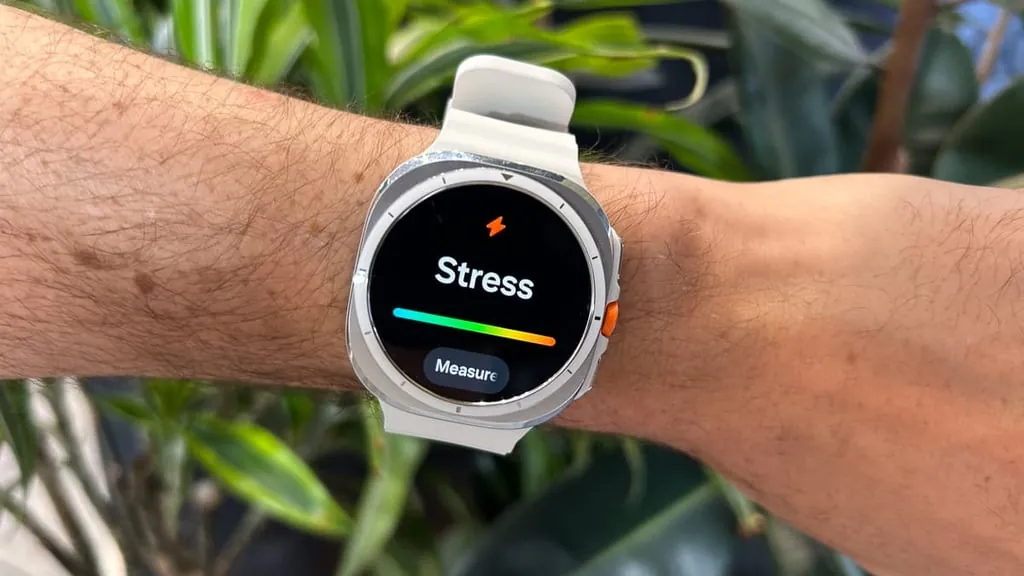
The technology relies on specific hardware components to gather biological data, and without accurate inputs the software can’t produce a useful output because each sensor has a distinct job and they must work together to give a clear picture of your state; if one part fails or gives bad data the final stress score becomes unreliable, so knowing what each piece does helps you trust the results and place the device correctly on your body for the best reading even if you don’t need to understand the engineering.
| Part or input | What it does | What you notice when it goes wrong |
|---|---|---|
| Optical heart sensor | Measures blood flow pulses | Readings drop during movement or loose fit |
| EDA sensor | Detects tiny sweat changes | Skin must be clean and free of lotions for contact |
| Accelerometer | Tracks body motion and steps | Confuses exercise stress with mental stress |
| Skin thermometer | Monitors surface temperature shifts | Cold weather causes false low readings |
| Battery power | Runs all sensors continuously | Low power reduces sampling frequency and accuracy |
| Bluetooth radio | Sends data to your phone app | Connection loss creates gaps in daily history |
How data becomes a score
The device collects raw signals throughout the day and night. It doesn’t send every single heartbeat to your phone immediately. Instead, it processes the data locally to save battery life. This step ensures you get timely alerts without draining the device in hours.
The algorithm looks for patterns rather than single events. A single fast heartbeat might mean you ran for a bus, not that you’re stressed. The system compares current data against your personal baseline. This baseline is built over days or weeks of normal activity.
- The optical sensor shines light into your skin to measure blood volume changes every few seconds. This pulse data reveals your heart rate variability, which drops when stress hormones activate your body.
- The electrodermal activity sensor detects minute increases in sweat gland activity. These changes happen milliseconds after an emotional trigger, often before you consciously feel anxious or tense.
- The accelerometer filters out physical movement. If you’re running, the system typically classifies the elevated heart rate as exercise rather than mental pressure.
- The processor combines heart variability, sweat levels, and temperature into a single metric. It weighs recent data more heavily than older data to reflect your current state accurately.
- The device syncs with your smartphone via Bluetooth. This transfer happens in the background, usually when you open the app or at set intervals during the day.
- The app displays your stress level on a simple scale. It may offer breathing exercises if the score stays high for too long, helping you lower it manually.
Why accuracy varies by context

Understanding why the numbers change helps you use the tool wisely because stress isn’t a single thing but a mix of physical and mental responses where your body reacts to a deadline the same way it reacts to a cold flu and the sensors can’t tell the difference between fear and excitement since they only see arousal; this limitation means context matters deeply because if you wear the device during an intense workout the stress score will spike normally to show your body is working hard rather than that you’re mentally overwhelmed.
The biggest challenge is separating mental strain from physical effort. When you lift weights, your heart rate goes up. Your skin temperature rises. You might sweat. To the sensors, this looks exactly like a panic attack. Most modern devices try to fix this with motion detectors.
If the accelerometer sees vigorous movement, it labels the heart rate spike as exercise. But this isn’t perfect. Yoga raises your heart rate slightly but calms your mind. The device might miss this nuance. It could label a calming session as mild stress because your body is active.
Skin contact is another major factor. The electrodermal activity sensor needs direct, stable contact with your skin. If you wear the band too loosely, air gets in. Sweat evaporates before the sensor catches it. The reading drops to zero or shows erratic spikes. This isn’t a device failure. It’s a user error.
Tightening the strap solves it, but wearing it too tight cuts off circulation. You must find the middle ground. Also, lotions or oils on your wrist block the electrical signal. You must ensure your skin is free of lotions or oils before putting the device on.
Temperature plays a role too. In cold weather, your blood vessels constrict. This makes it harder for the optical sensor to read your pulse. The device might lose signal entirely. In hot weather, you sweat more naturally. This can raise the baseline sweat level, making it harder to detect sudden stress spikes.
The algorithm adjusts for this, but extreme weather pushes its limits. If you’re outside in freezing rain, expect gaps in your data. This is a physical limit of the technology, not a software bug.
What you control versus design limits
You have power over how well the device works, but you can’t change its core capabilities. Knowing the difference saves frustration. Don’t blame the gadget for things it was never built to do. Focus on the habits that improve data quality. Ignore the features that depend on medical-grade precision. This device is a wellness tool, not a diagnostic instrument. It guides lifestyle choices. It doesn’t replace a doctor.
Things you can adjust
- Strap tightness: Ensure snug contact without cutting off blood flow to keep sensors accurate.
- Skin cleanliness: Wipe sweat and lotion off your wrist before wearing to maintain electrical conductivity.
- Charging routine: Charge daily during low-activity periods to prevent data gaps from low battery.
- Baseline period: Wear the device consistently for two weeks to let the algorithm learn your normal patterns.
- Activity logging: Manually tag workouts in the app so the system excludes exercise from stress scores.
Fixed by design
- Sensor placement: Wrist-based readings are less accurate than chest straps for heart rate variability during motion.
- Sampling rate: The device checks sensors at set intervals, missing micro-second changes in real time.
- Algorithm secrecy: Proprietary software means you can’t see exactly how the stress score is calculated.
- Medical validation: Consumer devices aren’t cleared for diagnosing anxiety disorders or heart conditions.
If you need clinical data for a health condition, consult a medical professional. Don’t rely on consumer wearables for diagnosis. They lack the regulatory approval and precision required for medical decisions. For general wellness and pattern spotting, they’re excellent. For treatment plans, they’re insufficient.
Habits for better insights
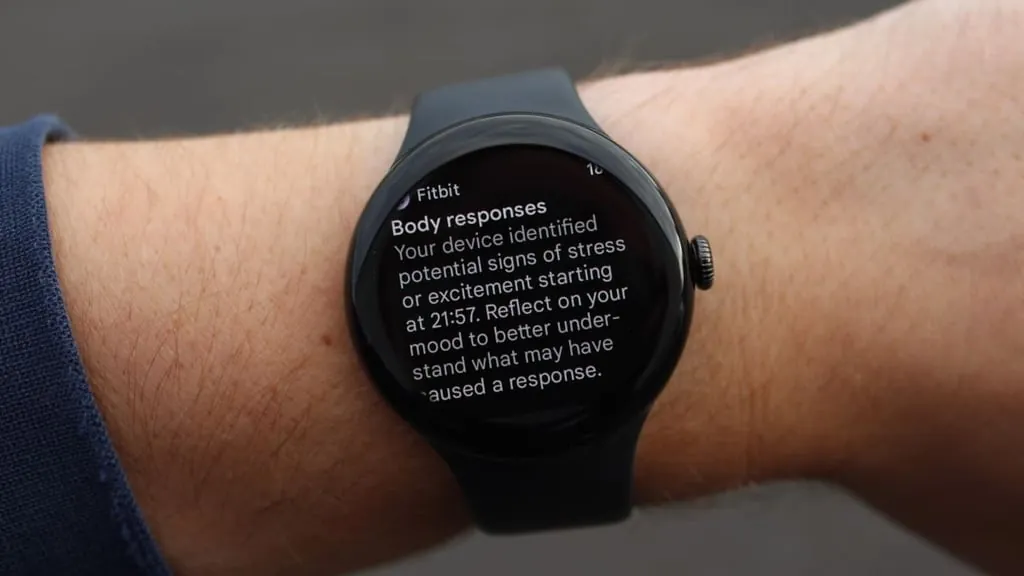
Consistency builds value. Wearing the device only on stressful days gives you no baseline. You need normal days to compare against. Wear it every day, even when you feel fine. This builds a library of what “normal” looks like for your body. Over time, you’ll see small deviations that matter. A slight rise in evening stress might point to poor sleep quality. A morning spike could link to your commute. These patterns emerge only with continuous use.
Check your data at the same time each day and look at daily summaries instead of obsessing over real-time numbers that fluctuate wildly because this smooths out the noise and shows trends; if your average stress score rises over a week, ask whether your workload increased, you stopped exercising, or you started drinking more caffeine, as the device gives you the clue and you provide the context to reveal the cause together.
Use the breathing tools when alerted. Most apps offer guided breathing when stress is high. Don’t ignore these prompts. They aren’t just notifications. They’re interventions. Taking two minutes to breathe deeply lowers your physiological arousal. The device will show you this drop in real time. This feedback loop teaches your body to recover faster. It turns abstract advice into visible results. You see the benefit immediately. This reinforces the habit.
Avoid comparing your scores with others. Stress responses are highly individual. Some people have naturally high heart rate variability. Others have low baselines. Comparing your 80 to someone else’s 40 means nothing. Compare your today to your yesterday. Compare this week to last month. Personal progress is the only metric that matters. External comparisons create unnecessary anxiety, which defeats the purpose of tracking stress in the first place.
Frequently asked questions
Can wearable stress tracking diagnose anxiety?
No, these devices can’t diagnose medical conditions. They track physiological signs like heart rate and sweat, which correlate with stress but don’t confirm anxiety disorders. Only a licensed mental health professional can diagnose anxiety through clinical evaluation. Use the device for awareness, not diagnosis. If you suspect a disorder, seek professional help immediately.
How long does it take to get accurate data?
It typically takes seven to fourteen days of continuous wear to establish a reliable baseline. The algorithm needs this period to learn your normal heart rate variability and activity patterns. Before this period ends, stress scores may be inaccurate or generic. Wear the device day and night during this setup phase for the best results.
Is it safe to wear the device all day?
Yes, it’s safe for most people to wear these devices continuously. The sensors use low-energy light and electrical currents that are harmless to human skin. However, some users may experience skin irritation from sweat trapped under the band. Clean your wrist and the device regularly to prevent rashes. Remove it for an hour each day to let your skin breathe.
What happens if I forget to charge it?
If the battery dies, you lose data for that period. There’s no way to recover missing heart rate or stress metrics. Gaps in data can skew your weekly averages and make trend analysis difficult. Try to charge the device during times of low activity, such as while showering or working at a desk, to minimize data loss.
Does caffeine affect the stress score?
Yes, caffeine increases heart rate and can reduce heart rate variability, which the device interprets as stress. If you drink coffee, your stress score may rise even if you feel calm. This is a physiological response, not an error. Note your caffeine intake in the app if possible, so you can contextualize these spikes later.
How accurate is wrist-based heart rate monitoring?
Wrist-based optical sensors are generally accurate for resting heart rate but less precise during high-intensity movement. Studies show they can lag behind chest straps during rapid changes in heart rate. For stress tracking, which relies on subtle variability, resting accuracy is key. Keep still during measurements for the best data. Motion artifacts remain a common source of error.
Can I use it if I have tattoos?
Dark tattoos on the wrist can block the optical sensor’s light, leading to poor heart rate readings. If the sensor can’t read your blood flow, it can’t calculate heart rate variability or stress. Try wearing the device higher up the arm where there’s no ink, or switch to a device with a chest strap if accuracy is critical for you.
Conclusion
Start by wearing your device for a full week without changing your routine. You’ll notice which moments push your body past its comfort zone. Once you spot those patterns, try adding a short walk or deep breathing right before the tension usually hits.